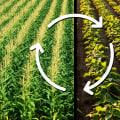
Sustainable farming represents a transformative approach to agriculture that prioritizes the health of our planet, communities, and food systems. In an era where environmental concerns are at the forefront of global discussions, understanding the principles and practices of sustainable agriculture is crucial. This method not only aims to produce food but also seeks to do so in a way that conserves resources, enhances biodiversity, and minimizes pollution. By integrating ecological principles into farming practices, sustainable agriculture can significantly reduce the negative impacts associated with conventional farming methods.The significance of sustainable farming extends beyond mere production; it encompasses a holistic view of food systems that considers social, economic, and environmental factors.
For instance, sustainable practices can lead to improved soil health, which in turn enhances crop yields and resilience against pests and diseases. This is particularly important in the context of climate change, where traditional farming methods may struggle to adapt to shifting weather patterns. By adopting sustainable practices, farmers can create a more resilient food supply that is better equipped to withstand environmental challenges.Moreover, the benefits of sustainable agriculture are manifold. Not only does it promote healthier ecosystems, but it also supports local economies by encouraging the consumption of locally sourced foods.
This reduces the carbon footprint associated with transporting food over long distances and fosters community connections between consumers and producers. As consumers become increasingly aware of their food choices' impact on the environment, there is a growing demand for products from top sustainable farms that prioritize ethical practices.In summary, understanding sustainable farming is essential for anyone interested in fostering a healthier food system in the United States. By exploring its principles and benefits, we can appreciate how these practices contribute to a more sustainable future for our environment and society as a whole.
The Importance of Sustainable Farming in the US
Sustainable farming is not just a trend; it is a vital approach to addressing the myriad challenges facing the US food system today. As the population continues to grow, the demand for food increases, putting immense pressure on agricultural practices.Conventional farming methods often prioritize short-term yields over long-term sustainability, leading to significant environmental degradation, economic instability, and social inequities.
Environmental Impact of Agriculture
The environmental consequences of traditional agriculture are profound. Intensive farming practices contribute to soil erosion, loss of biodiversity, and water pollution from fertilizers and pesticides. According to the Environmental Protection Agency (EPA), agriculture is a leading source of water quality issues in the United States. Sustainable farming practices, such as crop rotation, cover cropping, and organic farming, can mitigate these impacts by enhancing soil health and reducing chemical runoff.
Economic Benefits
Economically, sustainable farming can lead to more resilient food systems.
By focusing on local markets and community-supported agriculture (CSA), farmers can reduce transportation costs and carbon footprints while providing fresh produce to their communities. Additionally, sustainable practices often lead to lower input costs over time as farmers rely less on expensive chemical fertilizers and pesticides. This shift not only benefits farmers but also consumers who seek healthier food options.
Social Advantages
Socially, sustainable farming promotes equity within communities. It encourages local food production, which can create jobs and stimulate local economies.
Furthermore, sustainable farms often prioritize fair labor practices, ensuring that workers receive fair wages and safe working conditions. This focus on social responsibility helps build stronger communities and fosters a sense of connection between consumers and their food sources.In conclusion, the importance of sustainable farming in the US cannot be overstated. It offers a holistic solution to the pressing challenges of our food system by addressing environmental degradation, enhancing economic stability, and promoting social equity. As consumers become more aware of these issues, supporting sustainable farms becomes not just a choice but a necessity for a healthier future.
Key Principles of Sustainable Farming
Sustainable farming is grounded in several key principles that aim to create a more resilient and eco-friendly agricultural system.These principles not only enhance productivity but also ensure the long-term health of our planet. Below are some of the core tenets of sustainable agriculture:
- Crop Rotation: This practice involves alternating the types of crops grown in a particular area across seasons. By rotating crops, farmers can improve soil health, reduce pest and disease cycles, and enhance biodiversity. For instance, planting legumes can naturally replenish nitrogen in the soil, which benefits subsequent crops.
- Organic Farming: Organic farming emphasizes the use of natural inputs and processes.
This method avoids synthetic fertilizers and pesticides, relying instead on organic matter, compost, and biological pest control. Organic practices not only protect the environment but also produce healthier food options for consumers.
- Permaculture: Permaculture is a holistic design philosophy that mimics natural ecosystems to create sustainable agricultural systems. It focuses on creating self-sufficient environments where plants, animals, and humans coexist harmoniously. By integrating various elements such as water management, soil health, and biodiversity, permaculture promotes resilience against climate change.
- Agroecology: This approach combines ecological principles with agricultural practices to create sustainable food systems.
Agroecology emphasizes local knowledge and community involvement, promoting practices that are tailored to specific environments. It encourages crop diversity and intercropping, which can lead to improved yields and reduced reliance on chemical inputs.
Top Sustainable Farms in the US
Across the United States, numerous farms are leading the charge in sustainable agriculture, showcasing innovative practices that not only enhance food production but also protect the environment and support local communities.Here are some of the top sustainable farms making a significant impact:
- Polyface Farm (Virginia) : Known as the "farm of many faces," Polyface Farm employs a holistic management approach that integrates livestock and crop production. The farm utilizes rotational grazing techniques, which improve soil health and reduce erosion. By focusing on biodiversity and natural ecosystems, Polyface has become a model for sustainable farming practices.
- Earthbound Farm (California) : As one of the largest organic farms in the U. S., Earthbound Farm emphasizes sustainable practices such as crop rotation, cover cropping, and integrated pest management.
Their commitment to organic farming not only reduces chemical inputs but also promotes biodiversity and soil health, making them a leader in sustainable agriculture.
- Blue Hill Farm (New York) : Located in the Hudson Valley, Blue Hill Farm is dedicated to regenerative agriculture. They focus on growing a diverse range of crops while prioritizing soil health through composting and minimal tillage. Their farm-to-table restaurant also educates consumers about the importance of sustainable food systems.
- Green City Acres (Washington) : This urban farm utilizes innovative techniques such as aquaponics and vertical farming to maximize space and resources. Green City Acres not only provides fresh produce to local communities but also engages in educational programs that promote sustainable practices among urban dwellers.
- Rodale Institute (Pennsylvania) : A pioneer in organic farming research, Rodale Institute focuses on regenerative practices that enhance soil health and sequester carbon.
Their research initiatives provide valuable insights into sustainable agriculture, helping farmers transition to organic methods while improving their yields.
Challenges Facing Sustainable Farming
Sustainable farming is increasingly recognized as a vital component of a resilient food system, yet it faces numerous challenges that hinder its broader adoption. These challenges can be categorized into economic barriers, market access issues, and regulatory hurdles.Economic Barriers
- High Initial Costs: Transitioning to sustainable practices often requires significant upfront investment in new technologies, equipment, and training. Many farmers, especially those operating on tight margins, find it difficult to allocate funds for these changes.
- Market Premiums: While sustainably grown crops can command higher prices, the lack of consistent market premiums can deter farmers from making the switch.
A survey indicated that 51% of medium and large farms identified obtaining a market premium as a major obstacle.
- Access to Financial Incentives: Although there are financial incentives available for sustainable practices, many farmers are unaware of these programs or find them difficult to navigate. This lack of access can prevent them from taking advantage of potential funding opportunities.
Market Access Issues
- Distribution Challenges: Sustainable farms often struggle with distribution networks that favor conventional farming methods. Limited access to local markets can make it difficult for sustainable farmers to sell their products directly to consumers.
- Consumer Awareness: There is still a significant gap in consumer understanding of what sustainable farming entails. Without widespread awareness and demand for sustainably produced goods, farmers may hesitate to invest in these practices.
Regulatory Hurdles
- Complex Regulations: Navigating the regulatory landscape can be daunting for farmers looking to adopt sustainable practices.
Confusing guidelines and varying standards across states can create barriers to compliance.
- Lack of Supportive Policies: Many existing agricultural policies favor conventional farming methods, leaving little room for sustainable practices. Advocating for policy changes that support sustainability is crucial but often met with resistance.
The Role of Consumers in Supporting Sustainable Farms
Consumers play a pivotal role in shaping the future of sustainable farming. By making informed choices, individuals can significantly impact agricultural practices and promote a healthier food system.Here are several actionable ways to support sustainable farms and make environmentally friendly food choices.
- Buy Local Produce: Purchasing fruits, vegetables, and other products from local farmers' markets or community-supported agriculture (CSA) programs not only supports local economies but also reduces the carbon footprint associated with transporting food over long distances. Local produce is often fresher and more nutritious, as it is harvested at peak ripeness.
- Choose Organic and Sustainable Brands: Look for products that are certified organic or carry labels indicating sustainable farming practices. These products are typically grown without harmful pesticides and fertilizers, promoting biodiversity and soil health.
- Reduce Meat Consumption: The production of meat has a significant environmental impact, including high greenhouse gas emissions and water usage. By incorporating more plant-based meals into your diet, you can help reduce the demand for resource-intensive meat production.
- Support Regenerative Agriculture: Seek out farms that practice regenerative agriculture, which focuses on restoring soil health, increasing biodiversity, and improving water cycles.
These farms often use techniques like cover cropping, crop rotation, and holistic grazing to enhance the ecosystem.
- Educate Yourself and Others: Stay informed about sustainable farming practices and share this knowledge with friends and family. Awareness can lead to collective action, encouraging more consumers to support sustainable options.
- Participate in Food Co-ops: Joining a food cooperative allows consumers to buy directly from farmers while also having a say in the types of products offered. This model fosters community engagement and supports local agriculture.
As more individuals prioritize sustainability in their food choices, the agricultural landscape will gradually shift towards practices that benefit both the environment and society.
Future Trends in Sustainable Agriculture
The landscape of sustainable agriculture is rapidly evolving, driven by a combination of technological advancements, changing consumer preferences, and a growing awareness of environmental issues. As we look to the future, several key trends are emerging that promise to reshape farming practices and enhance sustainability across the agricultural sector.Technological Innovations
One of the most significant trends in sustainable farming is the integration of technology. Innovations such as precision agriculture utilize data analytics, GPS technology, and IoT devices to optimize farming practices. By collecting real-time data on soil health, moisture levels, and crop conditions, farmers can make informed decisions that reduce waste and increase efficiency.- Drones are being used for aerial imaging and monitoring crop health, allowing farmers to identify issues early and apply targeted interventions.
- Robotics is also making its mark, with automated systems for planting, weeding, and harvesting that minimize labor costs and reduce soil disturbance.
- Vertical farming is gaining traction in urban areas, utilizing controlled environments to grow crops with minimal land use and water consumption.
Regenerative Agriculture Practices
Another trend gaining momentum is the adoption of regenerative agriculture.This holistic approach focuses on restoring soil health, enhancing biodiversity, and improving ecosystem services. Practices such as cover cropping, crop rotation, and agroforestry not only sequester carbon but also promote resilience against climate change.Farmers are increasingly recognizing the value of these practices not just for their environmental benefits but also for their potential to improve yields over time. By fostering a healthy ecosystem, regenerative agriculture can lead to more robust crops that are better able to withstand pests and diseases.
Consumer Demand for Transparency
The future of sustainable farming is also being shaped by consumer demand for transparency in food production. More consumers are seeking out products that are not only organic but also sustainably sourced.This shift is prompting farmers to adopt practices that are verifiable and traceable.
- Blockchain technology is emerging as a tool for ensuring transparency in the supply chain, allowing consumers to trace the origin of their food.
- Farmers are increasingly participating in certification programs that highlight their commitment to sustainability, which can enhance marketability and consumer trust.
Conclusion: The Path Forward for a Sustainable Food System
As we reflect on the critical role of sustainable farming in shaping a healthier food system, it becomes evident that the benefits extend far beyond mere agricultural practices. Sustainable farming is not just a trend; it is a necessary evolution in our approach to food production that addresses pressing environmental, economic, and social challenges.Summary of Sustainable Farming Benefits
- Environmental Protection: Sustainable farming practices help preserve biodiversity, improve soil health, and reduce pollution. By minimizing the use of harmful chemicals and promoting crop rotation, farmers can enhance ecosystem resilience.
- Resource Efficiency: These practices optimize the use of water and energy, significantly lowering the carbon footprint associated with food production.
Techniques such as drip irrigation and renewable energy sources are becoming increasingly common.
- Economic Viability: Sustainable farms often yield higher profits in the long run due to reduced input costs and access to premium markets. Consumers are increasingly willing to pay more for sustainably produced goods, creating a viable economic model for farmers.
- Social Equity: By supporting local economies and providing fair wages to farmworkers, sustainable agriculture fosters community well-being and social justice.
Implementing incentives for sustainable practices, investing in research for innovative agricultural technologies, and providing education on sustainable methods can pave the way for a more resilient food system.In conclusion, embracing sustainability in agriculture is not merely an option; it is an imperative for ensuring food security and environmental health for future generations. As we move forward, let us advocate for practices that protect our planet while nourishing our communities. Together, we can cultivate a food system that is equitable, sustainable, and capable of meeting the needs of all.