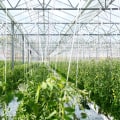
The landscape of farming today is fraught with challenges that can significantly impact the livelihood of farmers, including those operating dairy farms. As the backbone of our food system, farmers are increasingly confronted with economic pressures that threaten their sustainability and profitability. Rising input costs, such as seeds, fertilizers, and fuel, coupled with fluctuating market prices for their products, create a precarious environment where many farmers struggle to maintain a stable income. This volatility is exacerbated by the growing competition from large-scale corporate agriculture, which often benefits from economies of scale that smaller farms cannot match.Moreover, the shift towards The landscape of farming today is fraught with challenges that can significantly impact the livelihood of farmers, including those operating dairy farms. As the backbone of our food system, farmers are increasingly confronted with economic pressures that threaten their sustainability and profitability. Rising input costs, such as seeds, fertilizers, and fuel, coupled with fluctuating market prices for their products, create a precarious environment where many farmers struggle to maintain a stable income. This volatility is exacerbated by the growing competition from large-scale corporate agriculture, which often benefits from economies of scale that smaller farms cannot match.Moreover, the shift towards sustainable farming practices, while essential for environmental health, presents its own set of challenges.
Farmers who wish to adopt organic methods or implement conservation practices may face initial financial burdens and a steep learning curve. Transitioning to sustainable methods often requires investment in new technologies and practices that can take time to yield returns. Additionally, navigating the complex landscape of regulations and certifications for organic farming can be daunting for those unfamiliar with the process.In this context, understanding the multifaceted challenges facing farmers is crucial for developing effective strategies to enhance farm income. From economic pressures to the demands of sustainable practices, these issues not only affect individual farmers but also have broader implications for food security and rural communities.
As we delve deeper into this guide, we will explore actionable solutions that can help farmers overcome these obstacles and thrive in an increasingly competitive market.
The Importance of Sustainable Farming Practices
Sustainable farming practices are essential for the long-term viability of agriculture, addressing both environmental concerns and economic stability. At its core, sustainable farming aims to meet current food needs without compromising the ability of future generations to meet their own. This approach encompasses a variety of methods that prioritize ecological balance, resource conservation, and social equity.One of the most significant benefits of sustainable farming is its positive impact on the environment. By utilizing eco-friendly practices , farmers can reduce their carbon footprint and enhance biodiversity.For instance, crop rotation and cover cropping help maintain soil health by preventing erosion and nutrient depletion. These practices not only improve soil structure but also promote a diverse ecosystem that supports beneficial insects and wildlife.Another key aspect of sustainable agriculture is organic farming. This method avoids synthetic fertilizers and pesticides, opting instead for natural alternatives that are less harmful to the environment. Organic farming not only produces healthier food options but also fosters a more resilient agricultural system.
By focusing on organic methods, farmers can tap into a growing market of health-conscious consumers willing to pay a premium for organic products.Moreover, sustainable farming practices contribute to water conservation. Techniques such as drip irrigation and rainwater harvesting minimize water waste and ensure that crops receive adequate moisture without depleting local water sources. This is particularly crucial in regions facing water scarcity, where traditional farming methods can exacerbate the problem.In addition to environmental benefits, sustainable farming can lead to improved economic outcomes for farmers. By reducing reliance on expensive chemical inputs and enhancing soil fertility through natural means, farmers can lower their production costs over time.
Furthermore, sustainable practices often lead to higher-quality produce, which can command better prices in the market.Ultimately, adopting sustainable farming practices is not just an ethical choice; it is a strategic one that aligns with the growing consumer demand for environmentally responsible products. As more people become aware of the importance of sustainability in agriculture, farmers who embrace these practices will find themselves at a competitive advantage.
Strategies to Increase Farm Income
Increasing farm income is essential for the sustainability and growth of agricultural operations. Farmers can adopt a variety of strategies to enhance their revenue streams, ensuring financial stability and resilience against market fluctuations. Here are some effective approaches:- Diversification of Crops and Livestock: One of the most effective ways to increase farm income is by diversifying the types of crops and livestock raised.
By growing a variety of products, farmers can reduce risk and tap into different markets. For instance, a farm that produces both vegetables and fruits can cater to various consumer preferences, while also mitigating losses from crop failures.
- Value-Added Products: Transforming raw agricultural products into value-added goods can significantly boost income. For example, turning fresh milk into cheese or yogurt, or processing fruits into jams and jellies, allows farmers to sell products at a higher price point. This not only increases profit margins but also attracts customers looking for unique, locally-made items.
- Agritourism: Engaging in agritourism can provide an additional revenue stream.
By inviting visitors to experience farm life through activities such as farm tours, workshops, or seasonal events like pumpkin picking, farmers can generate income while educating the public about agriculture. This approach also fosters community connections and enhances customer loyalty.
- Community Supported Agriculture (CSA): Implementing a CSA program allows consumers to buy shares of the farm’s produce in advance. This model provides farmers with upfront capital and ensures a steady income throughout the growing season. It also builds a loyal customer base that is invested in the success of the farm.
- Online Sales and Marketing: In today’s digital age, establishing an online presence is crucial for increasing sales.
Farmers can utilize e-commerce platforms to sell their products directly to consumers, bypassing traditional distribution channels. Social media marketing can also help reach a broader audience and promote seasonal offerings or special events.
- Grant Opportunities: Many government programs offer grants specifically aimed at supporting sustainable farming practices. By researching available grants and applying for funding, farmers can secure financial assistance for projects that enhance productivity or promote conservation efforts.
Exploring Agritourism as a Revenue Stream
Agritourism is rapidly emerging as a viable revenue stream for farmers looking to diversify their income sources.By inviting visitors to experience the agricultural lifestyle, farms can not only generate additional income but also foster a deeper connection between consumers and the food they eat. This section explores the various benefits of agritourism, innovative farm tourism ideas, and inspiring success stories from farms that have embraced this trend.
Benefits of Agritourism
Engaging in agritourism offers numerous advantages:- Increased Revenue: By offering unique experiences, farms can tap into a new customer base willing to pay for activities such as farm tours, workshops, and seasonal events.
- Community Engagement: Agritourism fosters a sense of community by connecting local residents with agricultural practices and promoting local produce.
- Education and Awareness: Visitors gain insights into farming practices, sustainability, and the importance of local agriculture, which can lead to increased support for local farmers.
- Diversification of Income: By adding agritourism to their business model, farmers can reduce their reliance on traditional crop sales, making them more resilient to market fluctuations.
Farm Tourism Ideas
There are countless ways to incorporate agritourism into your farm's operations. Here are some popular ideas:- Farm Tours: Offer guided tours that showcase your farming practices, crops, and livestock. This can include educational components about sustainable farming methods.
- Pick-Your-Own Experiences: Allow visitors to pick their own fruits or vegetables.
This hands-on experience is popular among families and can create lasting memories.
- Workshops and Classes: Host workshops on topics such as canning, cheese-making, or organic gardening. These educational experiences can attract hobbyists and food enthusiasts.
- Seasonal Events: Organize events like harvest festivals, pumpkin patches, or holiday markets that draw in crowds and create a festive atmosphere.
- Agricultural Stays: Consider offering accommodations on your farm for visitors who want an immersive experience. This could include camping or cozy cabins with views of the fields.
Agritourism Success Stories
Many farms across the country have successfully integrated agritourism into their business models. For instance:- The Apple Farm: Located in California, this farm offers apple-picking experiences along with cider-making workshops.
Their seasonal events attract thousands of visitors each year, significantly boosting their income.
- The Lavender Fields: A farm in Washington State transformed its lavender production into a thriving agritourism destination by hosting lavender festivals that include tours, crafts, and culinary experiences featuring lavender-infused dishes.
Leveraging Grants and Financial Assistance Programs
For farmers looking to enhance their operations and increase income, grants and financial assistance programs can be invaluable resources. These funds can help cover costs associated with equipment, infrastructure improvements, and sustainable practices. Understanding the various types of grants available and how to apply for them effectively is crucial for securing this financial support.Types of Grants Available
- Federal Grants: Programs like the USDA's Farm Service Agency offer grants aimed at supporting sustainable agriculture, conservation efforts, and rural development.
- State Grants: Many states have their own agricultural grant programs that focus on local needs, such as promoting organic farming or supporting small-scale producers.
- Private Grants: Non-profit organizations and foundations often provide funding for specific projects that align with their missions, such as environmental conservation or community development.
How to Apply for Grants Effectively
The grant application process can be daunting, but with the right approach, farmers can improve their chances of success.
Here are some essential tips:
- Research Thoroughly: Before applying, take the time to understand the specific requirements and goals of each grant. Tailor your application to align with these objectives.
- Prepare a Strong Proposal: Clearly outline your project’s goals, methods, and expected outcomes. Use data and evidence to support your claims and demonstrate the potential impact of your project.
- Seek Assistance: Consider collaborating with local agricultural extension offices or grant writing consultants who can provide guidance and feedback on your application.
- Follow Instructions Carefully: Adhere to all guidelines regarding format, length, and submission procedures. Missing details can lead to disqualification.
The Importance of Grant Writing Skills
Effective grant writing is a skill that can significantly enhance a farmer's ability to secure funding.
Investing time in learning how to write compelling proposals can pay off in the long run. Many resources are available online, including workshops and templates that can help streamline the process.In conclusion, leveraging grants and financial assistance programs is a strategic way for farmers to boost their income and invest in sustainable practices. By understanding the types of grants available and honing their grant writing skills, farmers can unlock new opportunities for growth and success.
Diversifying Your Farm's Product Offerings
Diversifying your farm's product offerings is a crucial strategy for increasing income and ensuring long-term sustainability. By expanding the range of products you offer, you can attract new customers, reduce reliance on a single income source, and enhance your farm's resilience against market fluctuations.Understanding Diversification in Farming
Diversification in farming involves introducing new products or services that complement your existing operations.
This can take many forms, from growing different crops to adding livestock or even offering agritourism experiences. The key is to identify opportunities that align with your farm's strengths and the needs of your local market.
Successful Diversification Strategies
- Crop Rotation and Variety: Growing a variety of crops not only improves soil health but also attracts different customer segments. For instance, if you primarily grow corn, consider adding organic vegetables or herbs that are in demand at local farmers' markets.
- Value-Added Products: Transforming raw agricultural products into value-added goods can significantly increase profit margins. For example, turning fresh fruits into jams, jellies, or dried snacks allows you to sell products at a higher price point while extending shelf life.
- Livestock Integration: If your farm is primarily crop-based, consider integrating livestock.
Chickens for eggs or goats for milk can provide additional revenue streams while also contributing to soil fertility through natural fertilization.
- Agritourism: Offering farm tours, workshops, or pick-your-own experiences can attract visitors and create a unique selling proposition. This not only generates income but also fosters a connection between consumers and the agricultural process.
Product Ideas for Farms
Here are some innovative product ideas that can help diversify your farm's offerings:
- Herb Gardens: Grow culinary herbs that are popular among chefs and home cooks alike.
- Specialty Grains: Consider growing ancient grains like quinoa or spelt that cater to health-conscious consumers.
- Organic Honey: Beekeeping can be a rewarding venture that not only produces honey but also supports pollination for your crops.
- Farm-to-Table Events: Host events where guests can enjoy meals prepared with ingredients sourced directly from your farm.
Building Partnerships with Local Businesses
Forming partnerships with local businesses can be a game-changer for farmers looking to enhance their income and strengthen community ties. By collaborating with nearby enterprises, farms can tap into new markets, share resources, and create mutually beneficial relationships that foster growth and sustainability.Benefits of Collaborating with Local Businesses
- Increased Visibility: Partnering with local businesses allows farms to reach a broader audience.
For instance, a farm that supplies fresh produce to a local restaurant can gain exposure through the restaurant's marketing efforts, attracting customers who may not have otherwise known about the farm.
- Shared Resources: Collaboration can lead to shared resources, such as equipment or facilities. For example, a farm might partner with a local bakery to provide flour in exchange for using the bakery's commercial kitchen for value-added products like jams or baked goods.
- Community Support: When farms collaborate with local businesses, they contribute to the local economy. This support can create a loyal customer base that values community-driven initiatives and is more likely to choose local products over imported ones.
Successful Collaboration Examples
Many successful partnerships illustrate the potential of collaboration between farms and local businesses. For instance, a farm that grows organic vegetables might team up with a nearby grocery store to host weekly farmers' markets.
This not only provides the farm with direct sales opportunities but also draws customers into the grocery store, benefiting both parties.Another example is a winery that collaborates with local artisans to host events showcasing regional products. By creating an experience that highlights both the wine and local crafts, they attract visitors who appreciate the unique offerings of their community.
How to Build Effective Partnerships
To establish successful partnerships, farmers should consider the following steps:
- Identify Potential Partners: Look for businesses that align with your values and target market. This could include restaurants, grocery stores, or even other farms.
- Communicate Clearly: Discuss mutual goals and expectations openly. Ensure both parties understand what they can offer and what they hope to gain from the partnership.
- Create Win-Win Scenarios: Focus on developing arrangements that benefit both parties.
Whether it’s through cross-promotion or shared events, aim for solutions that enhance each business's visibility and profitability.
Utilizing Social Media and Online Marketing Strategies
In today’s digital age, social media and online marketing have become essential tools for farmers looking to expand their reach and increase their income. By effectively utilizing these platforms, farmers can connect with consumers, promote their products, and build a loyal customer base.Understanding Your Audience
Before diving into social media marketing, it’s crucial to understand your target audience. Identify who your customers are, what they value, and how they prefer to engage with brands.
This knowledge will guide your content creation and help you choose the right platforms.
Selecting the Right Platforms
Not all social media platforms are created equal. Here are some popular options for farmers:
- Facebook: Ideal for sharing updates, photos, and events. It allows for community building through groups.
- Instagram: A visual platform perfect for showcasing your farm’s beauty and products through high-quality images and stories.
- Twitter: Useful for real-time updates and engaging with customers through quick interactions.
- Pinterest: Great for sharing recipes, DIY projects, and farm-related content that can drive traffic back to your website.
Creating Engaging Content
Your content should resonate with your audience. Consider the following types of posts:
- Behind-the-Scenes: Share daily farm activities to give followers a glimpse into farm life.
- Educational Posts: Provide tips on sustainable farming practices or recipes using your products.
- User-Generated Content: Encourage customers to share their experiences with your products and repost their content.
Utilizing Online Marketing Strategies
A strong online presence goes beyond social media.
Here are additional strategies to consider:
- Email Marketing: Build an email list to send newsletters, promotions, and updates directly to interested customers.
- Search Engine Optimization (SEO): Optimize your website with relevant keywords to improve visibility in search engine results.
- Content Marketing: Create a blog on your website where you can share valuable information related to farming, sustainability, and recipes.
Engagement is Key
The success of your social media efforts hinges on engagement. Respond promptly to comments and messages, ask questions in your posts, and create polls or contests to encourage interaction. Building relationships with your audience fosters loyalty and encourages word-of-mouth marketing.By leveraging social media and online marketing strategies effectively, farmers can not only increase their visibility but also create a community around their brand that supports sustainable practices and local agriculture.
Educational Workshops and Community Engagement Initiatives
Hosting educational workshops on your farm can serve as a powerful tool for generating additional income while simultaneously fostering community engagement. These workshops not only provide valuable knowledge to participants but also create a platform for farmers to showcase their sustainable practices and products.One of the primary benefits of conducting educational workshops is the opportunity to share expertise with the community.Topics can range from organic farming techniques, soil health, and pest management to cooking classes that utilize farm-fresh ingredients. By offering hands-on experiences, you can engage participants in a way that traditional classroom settings cannot.
Building Community Connections
Workshops can also strengthen community ties. When local residents come together to learn about agriculture, they develop a deeper appreciation for the work that goes into food production. This connection can lead to increased support for local farms, whether through direct purchases or participation in community-supported agriculture (CSA) programs.Creating Diverse Income Streams
In addition to enhancing community relationships, educational workshops can diversify your farm's income streams.Charging a fee for participation can help cover costs associated with materials, facilities, and marketing. Furthermore, these events can attract visitors who may not have otherwise visited your farm, potentially leading to increased sales of products such as fresh produce, homemade goods, or farm merchandise.
Promoting Sustainable Practices
By focusing on sustainable practices during these workshops, you not only educate attendees but also promote environmentally friendly methods that can be adopted in their own lives. This emphasis on sustainability aligns with the growing consumer demand for eco-conscious products and practices.To maximize the impact of your workshops, consider collaborating with local experts or organizations that specialize in agricultural education. This partnership can enhance the credibility of your programs and expand your reach within the community.In conclusion, hosting educational workshops on your farm is an effective strategy for increasing income while engaging with the community.By sharing knowledge and promoting sustainable practices, you contribute to a more informed public and foster a supportive network around your agricultural endeavors.
<strong>Conclusion</strong>
In conclusion, navigating the complexities of modern agriculture requires a multifaceted approach to increasing farm income and securing essential grants. As we have explored, the landscape of farming is evolving, and top sustainable farms are leading the way by adopting innovative practices that not only enhance profitability but also promote environmental stewardship.Farmers must recognize the importance of diversifying their income streams. By embracing organic farming methods, they can tap into a growing market of health-conscious consumers willing to pay a premium for sustainably produced goods. Additionally, agritourism offers a unique opportunity to engage with the community and create memorable experiences that draw visitors to the farm.Moreover, understanding and leveraging available grants can significantly impact a farm's financial health.These funds can support various initiatives, from implementing sustainable practices to upgrading equipment and infrastructure. Farmers should actively seek out grant opportunities and consider collaborating with organizations that specialize in grant writing to streamline the application process.As we move forward, it is crucial for farmers to stay informed about industry trends and consumer preferences. Engaging with local markets, utilizing social media for marketing, and participating in community events can enhance visibility and foster customer loyalty.Ultimately, success in farming today hinges on adaptability and innovation. By implementing the strategies discussed in this guide, farmers can not only increase their income but also contribute positively to their communities and the environment.
The journey may be challenging, but with determination and strategic planning, achieving sustainable success is within reach.