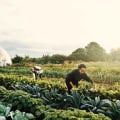
Sustainable agriculture represents a transformative approach to farming that prioritizes the health of our planet, communities, and future generations. At its core, sustainable farming seeks to balance the need for food production with the necessity of preserving environmental integrity. This method of agriculture is not merely a trend; it is a vital response to the pressing challenges posed by climate change, resource depletion, and biodiversity loss. By adopting practices that are environmentally sound, socially responsible, and economically viable, sustainable agriculture aims to create a resilient food system that can withstand the test of time.The definition of sustainable agriculture encompasses a wide range of practices and philosophies.
It includes methods that enhance soil health, conserve water, reduce chemical inputs, and promote biodiversity. For instance, techniques such as crop rotation, cover cropping, and organic farming are integral to this approach. These practices not only improve the quality of the soil but also help in managing pests naturally, thereby reducing reliance on synthetic pesticides and fertilizers. As we delve deeper into the significance of sustainability in agriculture, it becomes clear that these methods are essential for ensuring food security while minimizing environmental impact.Moreover, the importance of sustainability in agriculture extends beyond environmental concerns.
It also addresses social equity and economic stability within farming communities. Sustainable practices can empower local farmers by providing them with tools and knowledge to cultivate their land responsibly while ensuring fair labor practices. This holistic view of agriculture fosters a sense of community and encourages consumers to support local economies through their purchasing choices. As we explore the future of sustainable agriculture, it is crucial to recognize how crop diversity and organic farming play pivotal roles in shaping a more sustainable food system.
The Role of Crop Diversity in Sustainable Farming
Crop diversity plays a pivotal role in the realm of sustainable agriculture, serving as a cornerstone for enhancing soil health, improving pest control, and bolstering resilience against climate change.By cultivating a variety of crops within the same agricultural system, farmers can create a more balanced ecosystem that benefits both the land and the community.
Enhancing Soil Health
One of the most significant advantages of crop diversity is its ability to improve soil health. Different crops have varying root structures and nutrient requirements, which means that they can utilize soil resources more efficiently. For instance, deep-rooted plants can access nutrients and water from deeper soil layers, while shallow-rooted crops can help prevent soil erosion by stabilizing the topsoil. This interplay not only replenishes essential nutrients but also enhances soil structure and fertility over time.
Pest Control
Crop diversity also serves as a natural pest management strategy.
When multiple crops are grown together, it disrupts the life cycles of pests that thrive on monocultures. For example, intercropping—growing two or more crops in proximity—can confuse pests and reduce their populations. Additionally, certain plants can attract beneficial insects that prey on harmful pests, creating a more balanced ecosystem that minimizes the need for chemical pesticides.
Resilience Against Climate Change
As climate change continues to pose challenges to agriculture, crop diversity offers a buffer against unpredictable weather patterns. Diverse cropping systems are generally more resilient to extreme weather events such as droughts or floods.
For instance, if one crop fails due to adverse conditions, others may still thrive, ensuring food security and economic stability for farmers. This resilience is further enhanced through practices like crop rotation, where different crops are planted in succession to break pest cycles and improve soil health.
Implementing Crop Diversity
Farmers can adopt various practices to promote crop diversity effectively:
- Intercropping: Planting two or more crops together in the same field to maximize space and resources.
- Crop Rotation: Alternating different crops in a specific sequence over several seasons to maintain soil fertility and disrupt pest cycles.
- Cover Cropping: Growing cover crops during off-seasons to protect and enrich the soil.
Organic Farming: Principles and Practices
Organic farming is a holistic approach to agriculture that emphasizes the use of natural processes and materials to cultivate crops. This method is grounded in several key principles that prioritize environmental health, biodiversity, and sustainability.By adhering to these principles, organic farmers aim to create a balanced ecosystem that supports both plant and animal life.
Key Principles of Organic Farming
- Soil Health: Organic farming begins with the soil. Farmers focus on enhancing soil fertility through natural amendments such as compost, manure, and cover crops. These practices not only improve nutrient availability but also promote microbial activity, which is essential for healthy plant growth.
- Biodiversity: A diverse range of crops and livestock is encouraged in organic systems. This diversity helps to create resilient ecosystems that can better withstand pests and diseases.
Crop rotation and intercropping are common practices that enhance biodiversity while optimizing land use.
- Natural Pest Control: Instead of relying on synthetic pesticides, organic farmers utilize natural pest management strategies. This includes introducing beneficial insects, using traps, and employing organic-approved substances to deter pests. These methods help maintain ecological balance while protecting crops.
- Non-GMO Practices: Organic farming strictly prohibits the use of genetically modified organisms (GMOs). This principle ensures that the food produced is as natural as possible, preserving traditional agricultural practices and promoting genetic diversity among crops.
Benefits of Organic Farming
The benefits of organic farming extend beyond individual farms; they contribute significantly to environmental sustainability:
- Reduced Chemical Use: By avoiding synthetic fertilizers and pesticides, organic farming minimizes chemical runoff into waterways, protecting aquatic ecosystems and improving water quality.
- Enhanced Soil Quality: The emphasis on natural fertilizers leads to improved soil structure and fertility over time, which can increase crop yields sustainably.
- Climate Change Mitigation: Organic practices can sequester carbon in the soil, helping to combat climate change by reducing greenhouse gas emissions associated with conventional farming methods.
- Healthier Food Options: Consumers benefit from organic produce that is free from harmful chemicals, promoting better health outcomes.
By adhering to its core principles and practices, farmers not only enhance their productivity but also contribute positively to the environment and society at large.
Top Sustainable Farms Leading the Way
Across the globe, numerous top sustainable farms are setting benchmarks in the agricultural sector by embracing innovative practices that prioritize crop diversity and organic farming. These farms not only contribute to environmental health but also serve as models for others looking to transition to more sustainable methods.One exemplary case is Polyface Farm in Virginia, founded by Joel Salatin. This farm operates on a unique model of rotational grazing, where livestock are moved frequently to different pastures. This practice enhances soil fertility and reduces the need for chemical fertilizers.By integrating various species of animals and crops, Polyface Farm promotes biodiversity, which helps in pest control and improves overall ecosystem health.Another notable example is Rodale Institute , located in Pennsylvania. Renowned for its pioneering research in organic farming, Rodale Institute has been at the forefront of developing sustainable agricultural practices. Their long-term studies demonstrate that organic farming can yield comparable or even higher outputs than conventional methods while significantly improving soil health and reducing greenhouse gas emissions.
Earthbound Farm
, based in California, is a leader in organic produce. They utilize a variety of crops grown in rotation to enhance soil nutrients and prevent pest outbreaks.
Their commitment to sustainability extends beyond farming practices; they also focus on community engagement and education, helping consumers understand the benefits of organic food.In addition to these farms, Green City Acres in Vancouver exemplifies urban sustainable agriculture. Utilizing small plots of land, they practice intensive gardening techniques that maximize yield while minimizing resource use. Their approach includes growing a diverse range of vegetables and herbs, which not only supports local food systems but also reduces transportation emissions associated with food distribution.These examples illustrate that the future of agriculture lies in embracing crop diversity and organic practices. By learning from these top sustainable farms, other agricultural operations can adopt similar strategies to enhance their sustainability efforts and contribute positively to the environment.
Challenges Facing Sustainable Agriculture
Sustainable agriculture is a promising approach to food production, yet it faces numerous challenges that hinder its widespread adoption.Understanding these obstacles is essential for developing effective strategies to promote sustainable practices.
Economic Barriers
One of the most significant challenges is the economic viability of sustainable farming methods. Many farmers are hesitant to transition from conventional practices due to the initial costs associated with organic certification, purchasing organic seeds, and investing in sustainable technologies. These upfront expenses can be daunting, especially for small-scale farmers who operate on tight margins. Additionally, organic crops often yield less than their conventional counterparts in the initial years, which can further discourage farmers from making the switch.
Policy Issues
Policy frameworks also play a crucial role in shaping the landscape of sustainable agriculture.
In many regions, agricultural policies still favor large-scale industrial farming through subsidies and incentives that do not support organic or diversified farming practices. This creates an uneven playing field where sustainable farms struggle to compete with conventional farms that benefit from government support. Furthermore, regulatory hurdles can complicate the process of obtaining organic certification, deterring farmers from pursuing sustainable methods.
Public Perception
Public perception of organic and sustainable farming can also pose challenges. While there is a growing awareness of the benefits of sustainable agriculture, misconceptions about organic farming—such as beliefs that it is less productive or more expensive—can hinder consumer demand.
This lack of understanding can lead to lower market prices for organic products, making it difficult for farmers to justify their investment in sustainable practices.
Environmental Challenges
Moreover, environmental factors such as climate change and soil degradation present ongoing challenges for sustainable agriculture. Farmers must adapt to changing weather patterns and extreme conditions while maintaining soil health and productivity. This requires innovative approaches and resilience strategies that may not be readily available or affordable for all farmers.In conclusion, addressing these challenges is vital for advancing sustainable agriculture. By fostering supportive policies, enhancing public awareness, and providing financial assistance to farmers transitioning to sustainable practices, we can create a more equitable and resilient agricultural system that benefits both producers and consumers.
The Future of Sustainable Agriculture: Trends and Innovations
The landscape of sustainable agriculture is rapidly evolving, driven by a combination of technological advancements and a growing awareness of environmental issues.As we look to the future, several key trends and innovations are emerging that promise to enhance sustainability in farming practices.
Precision Agriculture
One of the most significant trends in sustainable agriculture is the rise of precision agriculture. This approach utilizes technology such as GPS, drones, and IoT (Internet of Things) devices to monitor crop health, soil conditions, and weather patterns in real-time. By collecting and analyzing data, farmers can make informed decisions about resource allocation, reducing waste and minimizing environmental impact. For instance, precision irrigation systems can deliver water directly to the roots of plants, conserving water while ensuring optimal growth.Agroecology
Agroecology
is another innovative practice gaining traction.
This holistic approach integrates ecological principles into agricultural systems, promoting biodiversity and resilience. By focusing on local ecosystems and traditional farming knowledge, agroecology encourages farmers to cultivate a variety of crops that can thrive together. This not only enhances soil health but also reduces dependency on chemical inputs.
Vertical Farming
As urban populations continue to grow, vertical farming has emerged as a viable solution for sustainable food production. By utilizing vertical space in urban environments, these farms can produce food year-round with minimal land use.Advanced hydroponic and aeroponic systems allow crops to be grown without soil, using nutrient-rich water instead. This method significantly reduces water usage and eliminates the need for pesticides.
Regenerative Agriculture
Regenerative agriculture
focuses on restoring soil health through practices such as cover cropping, reduced tillage, and rotational grazing. These methods not only improve soil fertility but also sequester carbon dioxide from the atmosphere, helping to combat climate change. Farmers adopting regenerative practices are finding that they can enhance productivity while contributing positively to the environment.
Biotechnology and Genetic Engineering
The future of sustainable agriculture also includes advancements in biotechnology.Genetic engineering techniques are being used to develop crops that are more resilient to pests, diseases, and climate extremes. These innovations can lead to higher yields with fewer inputs, reducing the overall environmental footprint of farming.In conclusion, the future of sustainable agriculture is bright with the integration of these trends and innovations. By embracing technology and ecological practices, farmers can create systems that are not only productive but also environmentally responsible. As these methods gain popularity, they will play a crucial role in shaping a more sustainable food system for generations to come.
Conclusion: Embracing a Sustainable Future in Agriculture
As we reflect on the transformative potential of sustainable agriculture, it becomes clear that embracing practices such as crop diversity and organic farming is not merely an option but a necessity for the future of our planet.The benefits of these methods extend far beyond the fields; they encompass environmental health, economic viability, and social equity.One of the most significant advantages of sustainable agriculture is its ability to enhance soil health. By promoting practices that prioritize natural ecosystems , we can improve soil structure, increase nutrient availability, and foster biodiversity. This leads to more resilient agricultural systems capable of withstanding climate change impacts.Moreover, sustainable farming practices contribute to reducing greenhouse gas emissions. By minimizing reliance on synthetic fertilizers and pesticides, we can significantly lower the carbon footprint associated with food production.
This shift not only combats climate change but also improves water quality and protects surrounding wildlife habitats.The economic implications are equally compelling. Sustainable farms often yield higher profits in the long run due to reduced input costs and increased consumer demand for organic products. As more consumers seek out top sustainable farms, farmers who adopt these practices can tap into lucrative markets while supporting their local economies.Looking ahead, the future of agriculture hinges on our collective commitment to sustainability. It is imperative that we advocate for policies that support sustainable practices, invest in research and development, and educate ourselves and others about the importance of these methods.In conclusion, the path toward a sustainable agricultural future is paved with opportunities for innovation and collaboration.
We must all play a role in this journey—whether by choosing to support local organic farms, advocating for sustainable policies, or simply educating ourselves about the impact of our food choices. Together, we can cultivate a healthier planet for generations to come.