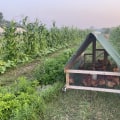
Sustainable farming is more than just a trend; it represents a fundamental shift in how we approach agriculture in an era marked by environmental challenges and food security concerns. At its core, sustainable farming seeks to balance the need for food production with the preservation of our natural resources. This method emphasizes practices that are environmentally friendly, economically viable, and socially responsible, ensuring that farming can continue to thrive for generations to come.One of the primary benefits of sustainable farming is its ability to enhance biodiversity. By utilizing crop rotation, cover cropping, and organic farming techniques, farmers can create a more resilient ecosystem that supports various plant and animal species.
This not only leads to healthier soil but also reduces the reliance on chemical fertilizers and pesticides, which can have detrimental effects on both the environment and human health. Furthermore, sustainable practices often lead to improved water conservation, as they promote methods that reduce runoff and enhance soil moisture retention.In addition to environmental benefits, sustainable farming also offers significant economic advantages. By focusing on local markets and community-supported agriculture (CSA), farmers can reduce transportation costs and increase their profit margins. This localized approach fosters a stronger connection between consumers and producers, encouraging a culture of sustainability within communities.
As consumers become more aware of their food sources, they are increasingly seeking out products from top sustainable farms, driving demand for responsibly grown produce.As we explore how 5 acres can be effectively utilized within this framework, it becomes clear that this size of land is not just manageable but also ideal for implementing sustainable practices. Whether through small-scale vegetable production or integrating livestock into crop systems, 5 acres provides ample opportunity to experiment with diverse methods that align with the principles of sustainability. Understanding these concepts is crucial as we delve deeper into the practical applications of sustainable farming on a micro scale.
Why 5 Acres is the Perfect Size for a Farm
When considering the ideal size for a farm, 5 acres stands out as a prime choice for both novice and experienced farmers. This size strikes a balance between manageability and productivity, allowing for a diverse range of farming activities without overwhelming the farmer.One of the most significant advantages of a 5-acre farm is its manageability.With this amount of land, farmers can easily oversee their operations, ensuring that every crop and livestock is receiving the attention it needs. Unlike larger farms, which can require extensive labor and resources, a 5-acre farm allows for a more hands-on approach. This intimate scale fosters a deeper connection to the land and the produce it yields.Moreover, having 5 acres provides ample opportunity for resource allocation. Farmers can strategically divide their land into sections for various purposes—such as growing vegetables, raising animals, or cultivating fruit trees.
This flexibility enables farmers to experiment with different crops and techniques, discovering what works best in their specific environment. For instance, one section could be dedicated to organic vegetable production while another could focus on sustainable practices like permaculture.The ability to experiment is crucial in today’s agricultural landscape, where sustainability is becoming increasingly important. A 5-acre farm allows for trial and error without the risk of significant financial loss that might come with larger operations. Farmers can test out new methods, such as crop rotation or companion planting, to enhance soil health and yield.Additionally, a smaller farm size encourages sustainable practices.
With less land to manage, farmers can implement eco-friendly techniques more effectively. This includes using organic fertilizers, practicing integrated pest management, and conserving water through efficient irrigation systems. These practices not only benefit the environment but also appeal to consumers who are increasingly seeking out top sustainable farms.In conclusion, a 5-acre farm offers numerous benefits that make it an ideal choice for those looking to enter the world of agriculture. From manageable operations to the ability to innovate and implement sustainable practices, this size provides a solid foundation for building a profitable and environmentally friendly farming business.
Key Considerations When Starting a 5-Acre Farm
Starting a farm on 5 acres can be an exciting venture, but it requires careful planning and consideration to ensure success.Here are some key factors to keep in mind:
- Soil Quality: The foundation of any successful farm is its soil. Conduct a soil test to determine pH levels, nutrient content, and organic matter. This information will guide you in amending the soil appropriately to support healthy crop growth.
- Water Access: Reliable water sources are crucial for farming. Assess your land for natural water bodies, such as ponds or streams, and consider the feasibility of installing irrigation systems.
Rainwater harvesting can also be an effective strategy to ensure a consistent water supply.
- Crop Selection: Choose crops that are well-suited to your climate and soil conditions. Research local market demands to identify which crops can be profitable. Consider diversifying your crop selection to mitigate risks associated with market fluctuations and pest infestations.
- Farm Layout: Planning the layout of your farm is essential for maximizing efficiency. Designate areas for crop production, livestock, storage, and equipment.
Ensure that pathways allow for easy access to all parts of the farm while minimizing disruption to growing areas.
- Pest Management: Develop an integrated pest management plan that includes preventive measures, such as crop rotation and companion planting, as well as organic pest control methods. This approach will help maintain a healthy ecosystem on your farm.
- Sustainability Practices: Implement sustainable farming practices from the outset. This includes using organic fertilizers, practicing conservation tillage, and incorporating cover crops to enhance soil health and reduce erosion.
Crop Selection for Profitability and Sustainability
Choosing the right crops for your 5-acre farm is crucial for achieving both profitability and sustainability.The key is to select crops that not only thrive in your local climate but also meet market demand. Here are some considerations and examples of high-demand crops suitable for small-scale farming:
1.Leafy Greens
Leafy greens such as spinach, kale, and Swiss chard are excellent choices for small farms. They have a quick turnaround time, allowing for multiple harvests within a single growing season. Additionally, they are highly nutritious and increasingly popular among health-conscious consumers.2.Herbs
Herbs like basil, cilantro, and parsley can be incredibly profitable due to their high market value and low space requirements.They can be grown in small plots or even containers, making them ideal for maximizing your limited acreage. Fresh herbs are always in demand at farmers' markets and restaurants.
3.Specialty Vegetables
Consider growing specialty vegetables such as heirloom tomatoes, bell peppers, or unique varieties of squash. These crops often fetch higher prices than standard varieties due to their unique flavors and colors. They can also attract a niche market willing to pay a premium for quality produce.4.Berries
Berries like strawberries, blueberries, and raspberries are not only delicious but also highly sought after.They can be sold fresh or processed into jams and jellies, providing multiple revenue streams. Berries typically require more care but can yield significant profits when managed well.
5.Organic Grains
If you have the right conditions, consider growing organic grains such as quinoa or amaranth. These crops are gaining popularity due to their health benefits and versatility in cooking. Organic certification can also enhance your marketability.When selecting crops, it’s essential to consider factors such as soil health, water availability, and pest management strategies to ensure sustainability.Implementing crop rotation and companion planting can further enhance soil fertility and reduce pest issues.In conclusion, the right crop selection is vital for the success of your 5-acre farm. By focusing on sustainable crop choices that align with market trends, you can create a profitable farming operation while contributing positively to the environment.
Integrating Livestock into Your 5-Acre Farm
Integrating livestock into your 5-acre farm can significantly enhance both sustainability and profitability. Livestock not only provides a source of income but also contributes to the overall health of your farm ecosystem. Here are some key considerations and benefits of incorporating livestock into your small farm.Benefits of Livestock Farming
- Soil Fertility: Livestock manure is a natural fertilizer that enriches the soil, improving its structure and nutrient content.
This can lead to healthier crops and increased yields.
- Diverse Income Streams: By raising animals, you can diversify your income sources. Whether it’s selling eggs, milk, meat, or wool, livestock can provide a steady revenue stream.
- Pest Control: Certain animals, like chickens, can help control pests naturally by foraging for insects and weeds, reducing the need for chemical pesticides.
- Companion Planting: Integrating livestock with crops allows for companion planting strategies that can enhance growth and reduce competition among plants.
Choosing the Right Livestock
When selecting livestock for your 5-acre farm, consider the following factors:- Space Requirements: Different animals require varying amounts of space. For instance, goats need less space than cattle but still require adequate room to roam and graze.
- Climate Adaptability: Choose breeds that are well-suited to your local climate to ensure their health and productivity.
- Personal Preference: Consider what types of livestock you enjoy working with. Passion for your animals will translate into better care and management.
Sustainable Integration Practices
To integrate livestock sustainably into your farming operation, consider these practices:- Rotational Grazing: This method involves moving livestock between pastures to prevent overgrazing and promote regrowth of grasslands.
- Mixed Farming Systems: Combine crop production with livestock to create a symbiotic relationship where each component supports the other.
- Water Management: Ensure that your livestock have access to clean water while implementing systems to manage runoff and protect water quality.
Sustainable Practices to Enhance Farm Productivity
To maximize productivity on a small farm, implementing sustainable farming practices is essential.These methods not only enhance yield but also promote environmental health and resilience. Here are some effective techniques to consider:
- Crop Rotation: This practice involves alternating the types of crops grown in a specific area across seasons. By rotating crops, farmers can prevent soil depletion, reduce pest populations, and improve soil fertility. For instance, following nitrogen-fixing legumes with nutrient-demanding crops can significantly enhance soil health.
- Permaculture: A holistic approach to farming, permaculture focuses on creating self-sustaining ecosystems.
By designing your farm to mimic natural ecosystems, you can improve biodiversity and reduce the need for chemical inputs. Techniques such as companion planting—growing different plants together for mutual benefit—can lead to healthier crops and increased yields.
- Organic Farming: Utilizing organic methods means avoiding synthetic fertilizers and pesticides. Instead, organic farmers rely on natural amendments like compost and cover crops to enrich the soil. This not only enhances productivity but also contributes to a healthier ecosystem.
- Agroforestry: Integrating trees into your farming system can provide multiple benefits.
Trees can act as windbreaks, reduce soil erosion, and create habitats for beneficial wildlife. Additionally, they can offer shade for crops and livestock, improving overall farm resilience.
- Water Management: Efficient water use is crucial for sustainable farming. Techniques such as drip irrigation or rainwater harvesting can help conserve water while ensuring that crops receive adequate moisture. Implementing these systems can lead to healthier plants and higher yields.
Each practice not only supports your immediate farming goals but also fosters long-term sustainability, ensuring that your farm remains productive for years to come.
Marketing Your Products: Strategies for Success
Marketing your farm products effectively is crucial for the success of your 5-acre farm. With the right strategies, you can connect with your local community, build a loyal customer base, and maximize your profits. Here are some key approaches to consider:1.Leverage Local Farmers' Markets
Participating in local farmers' markets is an excellent way to showcase your produce and connect directly with consumers. Here are some tips for success:- Research Local Markets: Identify farmers' markets in your area that attract a good number of visitors.
Look for markets that align with your product offerings.
- Engage with Customers: Use this opportunity to interact with customers, share your farming story, and educate them about the benefits of buying local.
- Offer Samples: Providing samples can entice potential buyers and encourage them to purchase your products.
2.Build an Online Presence
In today's digital age, having an online presence is essential. Consider the following:- Create a Website: Develop a user-friendly website that showcases your farm, products, and story. Include an online store if possible.
- Utilize Social Media: Platforms like Instagram and Facebook are great for sharing photos of your farm, promoting special offers, and engaging with customers.
- Email Marketing: Collect email addresses from customers and send regular newsletters featuring updates, recipes, and promotions.
3.Explore Community-Supported Agriculture (CSA)
A CSA program allows customers to subscribe to receive regular deliveries of fresh produce from your farm. This model provides several benefits:- Stable Income: By securing subscriptions upfront, you can ensure a more stable income throughout the growing season.
- Customer Loyalty: CSAs foster a sense of community and loyalty among subscribers who feel invested in your farm's success.
- Diverse Offerings: You can offer a variety of products, including seasonal vegetables, fruits, and even value-added items like jams or pickles.
Real-Life Examples of Successful 5-Acre Farms
Exploring real-life examples of successful farms operating on 5 acres or less can provide invaluable insights for aspiring farmers.These case studies highlight innovative practices and sustainable methods that have led to profitability and environmental stewardship.
1.Green Acres Farm
Located in Oregon, Green Acres Farm is a prime example of how a small plot can yield significant results. This farm specializes in organic vegetables and herbs, utilizing a combination of raised beds and vertical gardening techniques. By maximizing space and employing crop rotation, they produce a diverse array of produce year-round. Their commitment to sustainability is evident in their use of composting and rainwater harvesting systems, which minimize waste and conserve resources.
2.Tiny Farm
Tiny Farm in Vermont operates on just 2 acres but has made a name for itself by focusing on high-value crops such as microgreens and specialty mushrooms.
By leveraging hydroponic systems, they can grow fresh produce indoors, allowing for year-round cultivation regardless of weather conditions. This approach not only increases yield but also reduces the carbon footprint associated with transportation, as they sell directly to local restaurants and farmers' markets.
3.Urban Roots Farm
Urban Roots Farm in Texas showcases the potential of urban farming on a mere 1.5 acres. This farm emphasizes community engagement by offering educational workshops and volunteer opportunities. They grow a variety of fruits and vegetables while also raising chickens for eggs.
Their model demonstrates how small-scale farming can thrive in urban settings, providing fresh food to local residents while fostering community connections.
4.The Micro Farm Project
This initiative focuses on teaching individuals how to start their own microfarms on limited land. Participants learn about permaculture principles, soil health, and sustainable practices that can be applied to their own 5-acre plots or smaller. The project has successfully launched numerous small farms across the country, proving that with the right knowledge and resources, anyone can cultivate a profitable agricultural venture.These examples illustrate that successful small farms can thrive through creativity, sustainability, and community involvement. By studying these case studies, future farmers can glean practical strategies that align with their goals of profitability and environmental responsibility.
Challenges Faced by Small Farmers and How to Overcome Them
Small farmers often encounter a variety of challenges that can hinder their success and sustainability.Understanding these obstacles is the first step toward overcoming them. Here are some common issues faced by small farmers and effective strategies to address them.
- Financial Constraints: Many small farms operate on tight budgets, making it difficult to invest in necessary equipment, seeds, or technology. To combat this, farmers can explore grants and low-interest loans specifically designed for agricultural development. Additionally, creating a detailed business plan can help identify potential funding sources and streamline expenses.
- Market Access: Competing with larger farms can be daunting, especially when it comes to accessing markets.
Small farmers should consider forming cooperatives or joining local farmers' markets to increase visibility and sales opportunities. Building relationships with local restaurants and grocery stores can also provide a steady customer base.
- Pest and Disease Management: Small farms may struggle with pest control and crop diseases due to limited resources for treatment. Implementing integrated pest management (IPM) techniques can help minimize chemical use while effectively managing pests. Regular monitoring and adopting resistant crop varieties are also beneficial strategies.
- Labor Shortages: Finding reliable labor can be a significant challenge for small farms, particularly during peak seasons.
Farmers can address this by offering competitive wages, flexible hours, and creating a positive work environment. Additionally, utilizing technology such as automation tools can reduce the reliance on manual labor.
- Climate Change: The impacts of climate change pose risks to crop yields and farm viability. Small farmers should focus on sustainable practices, such as crop rotation, cover cropping, and water conservation techniques. These methods not only enhance resilience but also improve soil health.
Adaptability is key; those who embrace change and seek innovative approaches will find ways to thrive in the ever-evolving agricultural landscape.
Conclusion: Embracing the Potential of a 5-Acre Farm
In conclusion, the journey of establishing a 5-acre farm is not just a venture into agriculture; it is an opportunity to embrace a lifestyle that prioritizes sustainability and profitability. Throughout this article, we have explored the myriad ways in which a modest plot of land can be transformed into a thriving microfarm that meets both personal and community needs.One of the most compelling aspects of a 5-acre farm is its versatility. Whether you choose to focus on crop production , livestock management, or a combination of both, the potential for success is significant. By implementing sustainable practices such as crop rotation, organic farming, and permaculture principles, you can enhance soil health and yield while minimizing environmental impact.Moreover, the ability to diversify your offerings can lead to multiple income streams.From selling fresh produce at local farmers' markets to offering workshops on sustainable farming techniques, the opportunities are vast. This not only increases profitability but also fosters community engagement and support.As we have discussed, starting small allows for manageable growth and experimentation. With careful planning and dedication, you can cultivate a farm that not only sustains your family but also contributes positively to the local ecosystem. The key lies in understanding your land's unique characteristics and leveraging them to create a productive environment.Ultimately, embracing the potential of a 5-acre farm means committing to a vision of sustainability that aligns with your values.
It is about creating a space where you can grow food, foster relationships, and live in harmony with nature. As more individuals seek alternatives to conventional lifestyles, the 5-acre farm stands out as a beacon of hope for those looking to make a meaningful impact.In summary, with the right approach and mindset, a 5-acre farm can indeed be both profitable and sustainable. It offers an exciting path toward self-sufficiency while contributing to the broader movement of top sustainable farms. So take that first step—your 5 acres await!.