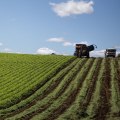
Sustainable farming represents a transformative approach to agriculture that prioritizes the health of our planet while ensuring food security for future generations. At its core, sustainable farming is about creating agricultural systems that are environmentally sound, economically viable, and socially responsible. This holistic method not only focuses on the immediate needs of farmers and consumers but also considers the long-term impacts of farming practices on ecosystems and communities.In recent years, the significance of sustainable farming has become increasingly apparent as we face pressing global challenges such as climate change, soil degradation, and dwindling natural resources. Traditional farming methods often rely heavily on chemical fertilizers and pesticides, which can lead to soil erosion, water contamination, and loss of biodiversity.
In contrast, sustainable practices aim to minimize these negative effects by utilizing techniques such as crop rotation, organic farming, and agroforestry. These methods not only enhance soil health but also promote a balanced ecosystem that supports various forms of life.The benefits of sustainable farming extend beyond environmental preservation; they also encompass economic and social dimensions. By adopting sustainable practices, farmers can reduce their reliance on costly inputs, improve crop yields over time, and create resilient agricultural systems that can withstand climate variability. Moreover, sustainable farming fosters community engagement and supports local economies by encouraging the consumption of locally grown produce.
As consumers become more aware of the environmental impact of their food choices, the demand for sustainably sourced products continues to rise.As we delve deeper into the world of sustainable agriculture, it is essential to explore the top sustainable farms that exemplify these principles in action. These farms not only serve as models for best practices but also inspire others to adopt more sustainable methods in their own agricultural endeavors. By understanding the significance of sustainable farming and its myriad benefits, we can collectively work towards a greener future for our planet.
The Principles of Sustainable Agriculture
Sustainable agriculture is built on a foundation of principles that prioritize environmental health, economic viability, and social equity. These principles guide farmers in adopting practices that not only enhance productivity but also protect the planet for future generations.One of the cornerstone practices of sustainable agriculture is crop rotation.This method involves alternating the types of crops grown in a particular area across different seasons. By rotating crops, farmers can replenish soil nutrients, reduce soil erosion, and disrupt pest and disease cycles. For instance, planting legumes after cereal crops can naturally enrich the soil with nitrogen, which is essential for plant growth. This practice not only improves soil health but also minimizes the need for synthetic fertilizers, making it an eco-friendly farming method.
Permaculture
is another vital principle that emphasizes designing agricultural systems that mimic natural ecosystems.
This approach integrates various elements such as plants, animals, water management, and soil health into a cohesive system. By creating a self-sustaining environment, permaculture reduces reliance on external inputs and enhances biodiversity. For example, incorporating fruit trees alongside vegetable crops can provide shade and habitat for beneficial insects while also yielding multiple food sources.
Biodiversity
plays a crucial role in sustainable farming practices. A diverse range of crops and livestock can enhance resilience against pests and diseases while improving overall ecosystem health.
Farmers who cultivate a variety of species are better equipped to adapt to changing climate conditions and market demands. Additionally, maintaining genetic diversity within crop species can lead to more robust plants that are better suited to withstand environmental stresses.Incorporating these principles into farming practices not only contributes to environmental sustainability but also supports local economies and communities. By prioritizing eco-friendly methods, farmers can create a more resilient agricultural system that benefits both people and the planet.
Top Sustainable Farms Around the World
Across the globe, numerous farms are leading the way in sustainable practices, showcasing innovative methods that not only enhance productivity but also protect the environment. Here are some of the top sustainable farms that exemplify these principles:- Polyface Farm (Virginia, USA) : Known as a model for sustainable agriculture, Polyface Farm employs a holistic management approach that integrates livestock and crop production.
The farm utilizes rotational grazing techniques, allowing animals to graze on pasture while naturally fertilizing the land. This method enhances soil health and biodiversity, making it a prime example of regenerative agriculture.
- Finca Rosa Blanca (Costa Rica) : This organic coffee farm is committed to sustainability through its eco-friendly practices. Finca Rosa Blanca uses shade-grown coffee cultivation, which preserves the natural habitat and promotes biodiversity. Additionally, the farm implements water conservation techniques and engages in community education about sustainable farming.
- Earthship Biotecture (New Mexico, USA) : While not a traditional farm, Earthship Biotecture incorporates sustainable farming into its design.
The Earthships utilize recycled materials and renewable energy sources to create self-sustaining homes that include food production systems such as greenhouses and aquaponics. This innovative approach demonstrates how architecture can harmonize with agriculture.
- La Ferme de la Basse Cour (France) : This farm focuses on permaculture principles, creating a self-sustaining ecosystem that produces a variety of crops and livestock. By mimicking natural ecosystems, La Ferme de la Basse Cour minimizes waste and maximizes resource efficiency, serving as an inspiring model for local food production.
- Blue Hill Farm (New York, USA) : Renowned for its commitment to local sourcing and sustainable practices, Blue Hill Farm emphasizes the importance of seasonal eating. The farm collaborates with local farmers to grow produce that is harvested at peak freshness, reducing transportation emissions and supporting regional agriculture.
By adopting similar practices, farmers worldwide can contribute to a more sustainable future.
Innovative Techniques in Sustainable Farming
As the world grapples with the challenges of climate change and food security, innovative techniques in sustainable farming are emerging as vital solutions. These methods not only enhance productivity but also minimize environmental impact, paving the way for a more sustainable agricultural future.Hydroponics: Soil-less Farming
One of the most revolutionary techniques is hydroponics, a method of growing plants without soil. Instead, plants are cultivated in nutrient-rich water solutions, allowing for precise control over their growth conditions. This technique significantly reduces water usage—up to 90% less than traditional farming—while also eliminating the need for harmful pesticides.Hydroponic systems can be set up in urban areas, making fresh produce accessible to city dwellers and reducing transportation emissions.
Aquaponics: A Symbiotic System
Aquaponics combines hydroponics with aquaculture, creating a self-sustaining ecosystem. In this system, fish waste provides organic nutrients for the plants, while the plants help filter and purify the water for the fish. This closed-loop system not only conserves water but also produces both fish and vegetables, maximizing yield on limited land. Aquaponics systems can be implemented in various settings, from small-scale home gardens to large commercial operations.Agroecology: Working with Nature
Agroecology emphasizes the use of ecological principles in farming practices.By mimicking natural ecosystems, farmers can enhance biodiversity and soil health while reducing reliance on chemical inputs. Techniques such as intercropping, cover cropping, and agroforestry are integral to agroecological practices. These methods promote resilience against pests and diseases, improve soil fertility, and increase carbon sequestration, contributing to climate change mitigation.
Precision Agriculture: Data-Driven Decisions
The advent of technology has also led to the rise of precision agriculture. This approach utilizes data analytics, GPS technology, and IoT devices to monitor crop health and optimize resource use.Farmers can make informed decisions about irrigation, fertilization, and pest management based on real-time data, leading to increased efficiency and reduced waste. Drones and satellite imagery are increasingly used to assess crop conditions from above, providing valuable insights that were previously unattainable.In conclusion, these innovative techniques in sustainable farming not only address current agricultural challenges but also lay the groundwork for a resilient food system. By integrating technology with ecological practices, farmers can produce food sustainably while safeguarding our planet for future generations.
The Role of Urban Agriculture in Sustainability
As urban areas continue to expand, the concept of urban agriculture has emerged as a vital solution for enhancing sustainability within cities. This innovative approach not only addresses food security but also fosters community engagement and environmental stewardship.Urban agriculture encompasses a variety of practices, including community gardens , rooftop farming, and vertical gardens.These initiatives allow city dwellers to cultivate their own food, thereby reducing reliance on industrial agriculture and minimizing the carbon footprint associated with transporting food over long distances.
Community Gardens: Cultivating Connections
Community gardens serve as a cornerstone of urban agriculture, transforming vacant lots and underutilized spaces into vibrant green areas. These gardens provide numerous benefits:- Food Production: They enable residents to grow fresh fruits and vegetables, improving access to nutritious food.
- Social Cohesion: Community gardens foster relationships among neighbors, encouraging collaboration and shared responsibility.
- Environmental Benefits: They enhance biodiversity, improve air quality, and contribute to urban cooling.
Rooftop Farming: Utilizing Vertical Space
Rooftop farming is another innovative aspect of urban agriculture that maximizes space in densely populated areas. By converting rooftops into productive gardens, cities can:- Reduce Heat Island Effect: Green roofs help lower temperatures in urban environments, mitigating the heat island effect.
- Improve Stormwater Management: Rooftop gardens absorb rainwater, reducing runoff and decreasing the burden on drainage systems.
- Create Green Jobs: Rooftop farms can generate employment opportunities in urban settings, contributing to local economies.
Challenges Facing Sustainable Farming Practices
Sustainable farming practices are essential for creating a greener future, yet they face numerous challenges that can hinder their widespread adoption.Understanding these obstacles is crucial for developing effective solutions that can support farmers in their transition to more eco-friendly methods.
Economic Challenges
One of the primary barriers to sustainable agriculture is the economic viability of these practices. Many sustainable farming techniques require significant upfront investments in technology, infrastructure, and training. For instance, transitioning to organic farming often necessitates the purchase of organic seeds and natural fertilizers, which can be more expensive than conventional options. Additionally, sustainable farms may experience lower yields during the initial years of transition, leading to financial strain.Moreover, market access can be a significant hurdle.
Sustainable farmers often struggle to find buyers willing to pay a premium for organic or sustainably produced goods. This lack of market demand can discourage farmers from adopting sustainable practices, as they may not see a clear financial benefit.
Policy Issues
Government policies can also pose challenges for sustainable farming. In many regions, agricultural subsidies favor conventional farming methods, making it difficult for sustainable farms to compete. These policies often prioritize short-term productivity over long-term environmental health, creating an uneven playing field.Furthermore, regulatory frameworks can be complex and burdensome for sustainable farmers.
Navigating the certification process for organic or sustainable labels can be time-consuming and costly, deterring many farmers from pursuing these avenues.
Climate Change Impacts
Climate change presents another significant challenge to sustainable farming practices. Extreme weather events such as droughts, floods, and unpredictable temperature fluctuations can severely impact crop yields and soil health. Farmers who rely on traditional methods may find it increasingly difficult to adapt to these changing conditions.Additionally, climate change can exacerbate pest and disease pressures, making it harder for sustainable farmers to manage their crops without resorting to harmful chemicals. This creates a paradox where the very practices intended to promote sustainability are threatened by the environmental changes they aim to mitigate.In conclusion, while the path toward sustainable farming is fraught with challenges—ranging from economic barriers and policy issues to the impacts of climate change—addressing these obstacles is vital for fostering a more resilient agricultural system.
By understanding these issues, stakeholders can work together to create supportive frameworks that enable farmers to thrive while promoting environmental stewardship.
The Future of Sustainable Farming: Trends and Predictions
As we look to the future of sustainable farming, several key trends and predictions are emerging that will shape the landscape of agriculture in the coming years. These trends are driven by a combination of consumer demand for eco-friendly products, technological advancements, and a growing awareness of environmental issues.1.Increased Consumer Demand for Transparency
Today's consumers are more informed than ever about where their food comes from and how it is produced. This shift in consumer behavior is pushing farmers to adopt more transparent practices. As a result, we can expect to see a rise in traceability systems that allow consumers to track the journey of their food from farm to table.
This trend not only promotes accountability but also encourages sustainable practices among farmers who want to meet consumer expectations.
2.Technological Innovations
The integration of technology into farming practices is set to revolutionize sustainable agriculture. Innovations such as precision agriculture, which utilizes data analytics and IoT devices, enable farmers to optimize resource use and minimize waste. Drones, sensors, and AI-driven tools will help monitor crop health, soil conditions, and water usage more efficiently than ever before.
3.Regenerative Agriculture
A growing movement within sustainable farming is regenerative agriculture, which focuses on restoring soil health and biodiversity. This approach goes beyond sustainability by actively improving ecosystems through practices like cover cropping, agroforestry, and holistic grazing management.
As awareness of climate change increases, regenerative methods are likely to gain traction as a viable solution for enhancing food security while combating environmental degradation.
4.Urban Agriculture Expansion
Urban agriculture is poised for significant growth as cities seek to become more self-sufficient in food production. Rooftop gardens, vertical farms, and community gardens are becoming common sights in urban areas. This trend not only reduces transportation emissions but also fosters community engagement and provides fresh produce in food deserts.
5.Policy Support and Incentives
Governments are increasingly recognizing the importance of sustainable farming practices in addressing climate change and food security. We can anticipate more policies and incentives aimed at supporting farmers who adopt eco-friendly methods.
This could include subsidies for organic farming, grants for research into sustainable technologies, and tax breaks for farms that implement conservation practices.In conclusion, the future of sustainable farming looks promising as it adapts to meet the challenges posed by climate change and consumer demands. By embracing transparency, leveraging technology, promoting regenerative practices, expanding urban agriculture, and benefiting from supportive policies, the agricultural sector can pave the way for a greener future.
How to Support Sustainable Farms in Your Community
Supporting sustainable farms in your community is not just beneficial for the environment; it also strengthens local economies and fosters a sense of community. Here are several actionable ways you can contribute to this vital movement:- Shop at Local Farmers' Markets: One of the most direct ways to support sustainable farms is by purchasing fresh produce from local farmers' markets. These markets often feature organic and sustainably grown products, allowing you to make informed choices about your food sources.
- Join a Community Supported Agriculture (CSA) Program: By subscribing to a CSA, you receive regular deliveries of seasonal produce directly from local farms.
This not only supports farmers financially but also encourages you to eat more locally and seasonally.
- Advocate for Local Policies: Engage with local government and advocate for policies that support sustainable agriculture. This can include zoning laws that favor urban farming, funding for local agricultural programs, or incentives for sustainable practices.
- Volunteer Your Time: Many sustainable farms welcome volunteers to help with planting, harvesting, and other farm activities. This hands-on experience not only helps the farm but also deepens your understanding of sustainable practices.
- Educate Yourself and Others: Knowledge is power. Attend workshops, read books, or participate in online courses about sustainable farming practices.
Share this knowledge with friends and family to raise awareness about the importance of supporting local agriculture.
- Choose Sustainable Products: When shopping at grocery stores, look for labels that indicate sustainability certifications, such as USDA Organic or Fair Trade. By choosing these products, you are supporting farms that prioritize environmental health and ethical practices.
- Engage in Community Gardening: If you have space, consider starting or joining a community garden. This initiative not only provides fresh produce but also fosters community spirit and educates participants about sustainable gardening techniques.
Conclusion: Embracing Sustainable Farming for a Greener Future
As we draw our discussion on sustainable farming to a close, it is essential to reflect on the myriad benefits that these practices offer not only to farmers but also to the environment and society as a whole.The adoption of top sustainable farms showcases how innovative techniques can lead to healthier ecosystems, improved food security, and enhanced community resilience.Throughout this article, we have explored various sustainable farming methods, including crop rotation, permaculture, and biodynamic agriculture. Each of these practices contributes uniquely to soil health, pest management, and resource conservation. By prioritizing the 4 R's of sustainability —reduce, reuse, recycle, and rot—farmers can create systems that are not only productive but also regenerative.Moreover, the rise of urban agriculture highlights the versatility of sustainable practices. Rooftop gardens and community farms are transforming city landscapes into green spaces that provide fresh produce while fostering community engagement.
This shift towards local food production reduces transportation emissions and supports local economies.It is crucial for consumers to recognize their role in this movement as well. By choosing to support sustainable farms, individuals can drive demand for environmentally friendly practices. This consumer behavior encourages more farmers to adopt sustainable methods, creating a ripple effect that benefits the entire agricultural sector.In conclusion, embracing sustainable farming is not merely an option; it is a necessity for a greener future. As we face pressing challenges such as climate change and biodiversity loss, the need for resilient agricultural systems has never been more urgent.
By championing sustainable practices and supporting those who implement them, we can collectively work towards a healthier planet for generations to come.