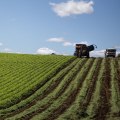
Sustainable agriculture represents a transformative approach to farming that prioritizes the health of our planet while ensuring food security for future generations. In an era marked by climate change, dwindling natural resources, and increasing population pressures, the significance of sustainable practices has never been more pronounced. This method of farming not only focuses on producing food but also emphasizes the importance of maintaining ecological balance, enhancing soil health, and promoting biodiversity. By integrating these principles, sustainable agriculture seeks to create a resilient food system that can withstand environmental challenges.The benefits of sustainable farming extend far beyond environmental conservation.
It fosters economic viability for farmers by reducing dependency on costly chemical inputs and enhancing crop resilience through natural practices. Moreover, sustainable farms often engage in community-building efforts, providing local employment opportunities and supporting regional economies. As consumers become more aware of their food choices, they increasingly seek out products from top sustainable farms, which are recognized for their commitment to ethical practices and transparency in food production.Top sustainable farms serve as beacons of innovation and responsibility in the agricultural sector. They implement cutting-edge techniques such as permaculture, agroforestry, and organic farming to minimize their ecological footprint while maximizing productivity.
These farms not only produce high-quality food but also educate the public about the importance of sustainability in agriculture. By showcasing successful models of sustainable practices, they inspire other farmers to adopt similar methods, creating a ripple effect that can lead to widespread change in agricultural practices.As we delve deeper into the world of sustainable agriculture throughout this guide, we will explore various practices, highlight exemplary farms leading the charge, and discuss how these initiatives contribute to a healthier planet. Understanding the power of sustainable agriculture is crucial for anyone interested in the future of food production and environmental stewardship.
Understanding Sustainable Agriculture
Sustainable agriculture is a holistic approach to farming that seeks to balance the needs of the environment, society, and the economy. At its core, it aims to produce food, fiber, and other products while maintaining the health of the ecosystem and ensuring that future generations can continue to meet their needs.This concept is increasingly vital as we face challenges such as climate change, resource depletion, and food insecurity.To fully understand sustainable agriculture, it is essential to explore its three core principles:
- Environmental Health: Sustainable farming practices prioritize the health of the environment. This includes maintaining soil fertility, conserving water, and protecting biodiversity. Techniques such as crop rotation, agroforestry, and organic farming help reduce chemical inputs and enhance ecosystem resilience.
- Economic Profitability: For agriculture to be sustainable, it must also be economically viable. Farmers need to earn a fair income while minimizing costs associated with inputs like fertilizers and pesticides.
Sustainable practices often lead to reduced expenses in the long run and can open up new markets for organic or locally sourced products.
- Social Equity: Sustainable agriculture promotes social equity by ensuring fair treatment and opportunities for all individuals involved in the food system. This includes fair wages for farmworkers, access to healthy food for communities, and support for local economies. Engaging with local populations and respecting their rights is crucial for fostering a just agricultural system.
- Permaculture: A design system that mimics natural ecosystems to create sustainable agricultural landscapes.
- Cover Cropping: Planting crops that cover the soil during off-seasons to prevent erosion and improve soil health.
- Integrated Pest Management (IPM): A strategy that uses biological control methods alongside minimal chemical interventions to manage pests sustainably.
The Importance of Sustainable Farming Practices
Sustainable farming practices are crucial for fostering a healthier planet and ensuring food security for future generations.By prioritizing methods that enhance the environment, farmers can significantly improve soil health, promote biodiversity, and mitigate the effects of climate change.
Soil Health Improvement
One of the primary benefits of sustainable agriculture is the enhancement of soil health. Traditional farming methods often lead to soil degradation through excessive tillage, chemical fertilizers, and monoculture cropping. In contrast, sustainable practices such as crop rotation, cover cropping, and no-till farming help maintain soil structure and fertility. These methods increase organic matter in the soil, which improves water retention and nutrient availability, ultimately leading to more productive crops.
Biodiversity Enhancement
Sustainable farms often serve as vital habitats for various species, promoting biodiversity.
By integrating diverse crops and livestock into their systems, farmers can create ecosystems that support a wide range of organisms. This diversity not only helps in pest control but also enhances resilience against diseases and climate fluctuations. Practices such as permaculture and agroforestry are excellent examples of how sustainable farming can foster a rich tapestry of life on farms.
Climate Change Mitigation
The agricultural sector is a significant contributor to greenhouse gas emissions; however, sustainable farming practices can play a pivotal role in climate change mitigation. Techniques like regenerative agriculture, which focuses on restoring soil health and increasing carbon sequestration, can help reduce atmospheric CO2 levels.
Additionally, by minimizing reliance on synthetic inputs and adopting renewable energy sources, sustainable farms can lower their carbon footprint.
Economic Viability
Beyond environmental benefits, sustainable agriculture also offers economic advantages. By reducing input costs through practices like composting and integrated pest management, farmers can increase their profit margins. Furthermore, consumers are increasingly seeking out sustainably produced goods, creating a market for products from top sustainable farms.In conclusion, the importance of sustainable farming practices cannot be overstated. They not only contribute to environmental health but also support economic viability and food security.
As we face pressing global challenges such as climate change and biodiversity loss, embracing these practices is essential for a sustainable future.
Top Sustainable Farms Around the World
Across the globe, numerous farms are leading the charge in sustainable agriculture, showcasing innovative practices that not only enhance productivity but also protect the environment. Here are some of the top sustainable farms that exemplify these principles:- Polyface Farm, Virginia, USA : Known as a model for sustainable farming, Polyface Farm employs a holistic management approach that integrates livestock and crop production. The farm utilizes rotational grazing techniques, allowing animals to graze on pasture while naturally fertilizing the land. This method enhances soil health and biodiversity, making it a prime example of sustainable practices in action.
- Finca Rosa Blanca, Costa Rica : This organic coffee farm is committed to sustainability through its agroecological practices.
Finca Rosa Blanca focuses on preserving local ecosystems by using shade-grown coffee methods and implementing water conservation techniques. The farm also engages in community education, promoting sustainable practices among local farmers.
- Earthship Biotecture, New Mexico, USA : While not a traditional farm, Earthship Biotecture incorporates sustainable agriculture into its design. The Earthship community grows food using permaculture principles and utilizes recycled materials for construction. Their innovative approach to self-sufficiency includes rainwater harvesting and solar energy, making it a unique example of sustainability.
- La Ferme de la Basse Cour, France : This farm emphasizes biodiversity by cultivating a wide variety of crops alongside livestock.
La Ferme de la Basse Cour practices organic farming and permaculture techniques to create a resilient ecosystem. Their commitment to local food systems and community-supported agriculture (CSA) initiatives further enhances their sustainability efforts.
- Blue Hill Farm, Massachusetts, USA : Renowned for its farm-to-table philosophy, Blue Hill Farm integrates sustainable practices into its culinary operations. The farm focuses on regenerative agriculture by improving soil health and increasing biodiversity through crop rotation and cover cropping. Their commitment to sustainability extends to educating consumers about the importance of local food systems.
By adopting innovative practices and prioritizing environmental stewardship, these farms are paving the way for a more sustainable future in food production.
Innovative Practices in Sustainable Agriculture
In the realm of sustainable agriculture, innovative practices are at the forefront of transforming how we cultivate food while preserving our planet's resources. Among these practices, permaculture , agroecology , and regenerative agriculture stand out as powerful methodologies that not only enhance productivity but also promote ecological balance.Permaculture
is a design philosophy that mimics natural ecosystems to create sustainable agricultural systems. It emphasizes the interconnection between plants, animals, and humans, aiming to create self-sustaining environments. By implementing permaculture principles, farmers can design their landscapes to maximize efficiency and minimize waste.
For instance, integrating fruit trees with vegetable gardens can provide shade and improve soil health while yielding diverse crops.
Agroecology
takes a holistic approach to farming by combining ecological science with traditional agricultural practices. This method focuses on enhancing biodiversity, improving soil health, and reducing dependency on chemical inputs. Farmers practicing agroecology often utilize techniques such as crop rotation, intercropping, and organic pest management. These methods not only increase resilience against pests and diseases but also contribute to a more sustainable food system.
Regenerative agriculture
goes a step further by actively restoring soil health and ecosystem functions.
This practice involves techniques like cover cropping, reduced tillage, and holistic grazing management. By prioritizing soil regeneration, farmers can sequester carbon, enhance water retention, and improve nutrient cycling. The benefits extend beyond the farm; healthier soils lead to more nutritious food and contribute to climate change mitigation.Incorporating these innovative farming techniques is essential for the future of agriculture. As we face challenges such as climate change, soil degradation, and food insecurity, adopting practices like permaculture, agroecology, and regenerative agriculture can pave the way for a more sustainable and resilient food system.
By embracing these methods, farmers not only improve their yields but also play a crucial role in protecting our environment for generations to come.
Challenges Facing Sustainable Agriculture
Sustainable agriculture, while promising a multitude of benefits for the environment and society, faces a myriad of challenges that can hinder its widespread adoption. Understanding these obstacles is crucial for developing effective strategies to promote sustainable practices in farming.Economic Pressures
One of the primary challenges in sustainable agriculture is the economic pressure that farmers face. Traditional farming methods often prioritize short-term profits over long-term sustainability. This focus can lead to a reluctance to invest in sustainable practices, which may require higher initial costs and longer timeframes to see returns.
For instance, transitioning to organic farming or implementing agroecological practices can be financially daunting for many farmers, especially those operating on tight margins.
Policy Limitations
Another significant barrier is the lack of supportive policies and incentives for sustainable agriculture. Many existing agricultural policies favor conventional farming methods, often providing subsidies that do not account for environmental impacts. This creates an uneven playing field where sustainable farms struggle to compete. Furthermore, regulatory frameworks may not adequately support innovative practices such as permaculture or regenerative agriculture, leaving farmers without the necessary guidance or resources.
Climate Change Impacts
Climate change poses a profound challenge to sustainable agriculture.
Extreme weather events, shifting growing seasons, and increased pest pressures can undermine the viability of sustainable farming practices. For example, droughts can severely affect crop yields, making it difficult for farmers to maintain their commitment to sustainability. Additionally, the unpredictability of climate patterns complicates planning and resource management for farmers striving to implement sustainable methods.
Social and Cultural Barriers
Social perceptions and cultural attitudes towards agriculture also play a role in the challenges faced by sustainable farms. In many regions, there is a strong attachment to traditional farming methods, which can create resistance to adopting new practices.
Education and outreach are essential in overcoming these barriers, as they help raise awareness about the benefits of sustainable agriculture and encourage community support.In conclusion, while the path toward sustainable agriculture is fraught with challenges such as economic pressures, policy limitations, climate change impacts, and social barriers, addressing these issues is vital for fostering a more resilient agricultural system. By understanding these challenges, stakeholders can work collaboratively to create solutions that promote sustainability in farming.
The Role of Policy in Promoting Sustainable Agriculture
Government policies play a crucial role in shaping the landscape of sustainable agriculture. They can either facilitate or obstruct the adoption of practices that promote environmental health, economic viability, and social equity. Understanding the intricate relationship between agricultural policy and sustainability is essential for fostering a resilient food system.One of the most effective ways that governments can support sustainable farms is through financial incentives.Programs that offer grants, subsidies, or tax breaks for farmers who implement sustainable practices can significantly reduce the financial burden associated with transitioning to more eco-friendly methods. For instance, in the United States, the Environmental Quality Incentives Program (EQIP) provides financial assistance to farmers who adopt conservation practices that improve soil health and water quality.Moreover, policies that promote research and development in sustainable agriculture are vital. By funding research initiatives focused on innovative farming techniques, governments can help farmers access new technologies and methods that enhance productivity while minimizing environmental impact. For example, the European Union's Horizon 2020 program has allocated substantial resources to projects aimed at developing sustainable agricultural practices across member states.In addition to financial support, regulatory frameworks can also encourage sustainability.
Policies that enforce stricter environmental standards compel farmers to adopt practices that reduce pollution and conserve natural resources. The Clean Water Act in the U. S. has led to improved water quality by regulating agricultural runoff, thereby promoting healthier ecosystems.However, not all policies have a positive impact.
Some agricultural policies may inadvertently favor large-scale industrial farming operations over small-scale sustainable farms. This can lead to a concentration of resources and support that undermines the viability of smaller farms committed to sustainability. Therefore, it is essential for policymakers to consider the implications of their decisions on all types of farms.Successful examples from around the world illustrate how thoughtful policy changes can enhance sustainability efforts. In Denmark, for instance, government initiatives have successfully integrated organic farming into mainstream agriculture through comprehensive support systems that include training programs and market access for organic products.In conclusion, effective agricultural policy is a cornerstone of promoting sustainable farming practices.
By providing financial incentives, supporting research, enforcing regulations, and ensuring equitable resource distribution, governments can create an environment where sustainable agriculture thrives. As we move forward, it is imperative for policymakers to prioritize sustainability in their agendas to secure a healthier planet for future generations.
Future Trends in Sustainable Agriculture
The landscape of sustainable agriculture is rapidly evolving, driven by technological advancements and a growing awareness of environmental issues. As we look to the future, several key trends are emerging that promise to reshape the way we approach farming and food production.1.Precision Agriculture
One of the most significant trends in sustainable farming is the adoption of precision agriculture. This approach utilizes technology such as GPS, drones, and IoT devices to monitor crop health, soil conditions, and weather patterns in real-time.
By collecting and analyzing data, farmers can make informed decisions that optimize resource use, reduce waste, and enhance crop yields. For instance, precision irrigation systems can deliver water directly to the roots of plants, minimizing evaporation and runoff.
2.Regenerative Agriculture
Regenerative agriculture is gaining traction as a holistic approach that goes beyond sustainability. It focuses on restoring soil health, increasing biodiversity, and improving ecosystem services. Techniques such as cover cropping, no-till farming, and agroforestry are integral to this movement.
By enhancing soil organic matter and promoting a diverse range of crops, regenerative practices can sequester carbon and improve resilience against climate change.
3.Vertical Farming
As urbanization continues to rise, vertical farming presents a viable solution for producing food in densely populated areas. This innovative method involves growing crops in stacked layers or vertically inclined surfaces, often using hydroponics or aeroponics. Vertical farms can significantly reduce land use and water consumption while providing fresh produce year-round. Moreover, they can be integrated into urban infrastructure, reducing transportation emissions associated with food distribution.
4.Biotechnology and Genetic Engineering
The future of sustainable agriculture also lies in advancements in biotechnology.
Genetic engineering techniques such as CRISPR are being used to develop crops that are more resilient to pests, diseases, and climate extremes. These innovations can lead to higher yields with fewer chemical inputs, ultimately contributing to more sustainable farming practices.
5.Sustainable Supply Chains
Finally, the push for sustainability is extending beyond the farm gate into the entire food supply chain. Consumers are increasingly demanding transparency regarding how their food is produced. This has led to the rise of sustainable supply chains that prioritize ethical sourcing, fair labor practices, and reduced environmental impact.
Companies are adopting practices such as carbon footprint tracking and sustainable packaging to meet these consumer expectations.In conclusion, the future of sustainable agriculture is bright with innovation and commitment to environmental stewardship. By embracing these trends and technologies, farmers can not only enhance their productivity but also contribute positively to the planet's health.
Conclusion: Embracing Sustainable Agriculture for a Better Future
As we conclude our exploration of sustainable agriculture, it is essential to reflect on the profound impact that top sustainable farms can have on our environment, economy, and society. Throughout this guide, we have examined various sustainable practices that not only enhance agricultural productivity but also promote ecological balance and social equity.One of the most significant takeaways is the importance of supporting sustainable farming methods that prioritize the health of our planet. By embracing practices such as crop rotation, permaculture, and organic farming, we can reduce our reliance on harmful chemicals and fossil fuels.These methods not only improve soil health but also increase biodiversity, which is crucial for resilient ecosystems.Moreover, the role of top sustainable farms extends beyond environmental benefits. They serve as models for innovation and community engagement. By investing in local food systems and fostering relationships with consumers, these farms contribute to economic sustainability and food security. Supporting local farmers not only helps to sustain their livelihoods but also strengthens community ties and promotes a culture of sustainability.In addition to individual actions, it is vital to advocate for policy changes that support sustainable agriculture on a larger scale.
This includes pushing for subsidies that favor sustainable practices, funding for research in agroecology, and educational programs that raise awareness about the benefits of sustainable farming.Ultimately, embracing sustainable agriculture is not just a choice; it is a necessity for ensuring a healthier future for generations to come. By prioritizing sustainable practices and supporting top sustainable farms, we can collectively work towards a more resilient food system that respects both people and the planet.As consumers, we hold the power to influence change through our purchasing decisions. Choosing products from sustainable farms can drive demand for environmentally friendly practices and encourage more farmers to adopt these methods. Together, we can cultivate a future where agriculture thrives in harmony with nature.