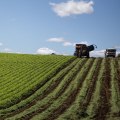
Crop diversity is a fundamental principle of sustainable farming that emphasizes the importance of cultivating a variety of plant species within agricultural systems. This approach not only enhances the resilience of farming operations but also contributes significantly to ecological balance. By integrating multiple crops into their practices, farmers can create a more dynamic and adaptable agricultural environment, which is essential in the face of climate change and shifting market demands.The significance of crop diversity extends beyond mere aesthetics; it plays a crucial role in maintaining soil health, improving pest management, and increasing overall productivity. When farmers grow a range of crops, they can naturally suppress pests and diseases that often thrive in monoculture systems.
This natural pest control reduces the need for chemical pesticides, promoting a healthier ecosystem and minimizing environmental impact. Furthermore, diverse cropping systems can enhance soil structure and fertility, as different plants contribute various nutrients and organic matter to the soil.In addition to these ecological benefits, crop diversity also supports economic stability for farmers. By diversifying their crops, farmers can mitigate risks associated with market fluctuations and crop failures. For instance, if one crop fails due to adverse weather conditions or pest outbreaks, other crops may still thrive, providing a safety net for the farmer's income.
This resilience is particularly vital in today's unpredictable climate, where extreme weather events are becoming increasingly common.Ultimately, embracing crop diversity is not just about improving agricultural practices; it is about fostering a sustainable future for food production. As we delve deeper into the various benefits of crop diversity in sustainable farming, it becomes clear that this approach is essential for creating robust agricultural systems that can withstand the challenges of tomorrow.
The Role of Crop Diversity in Soil Health
Crop diversity plays a pivotal role in enhancing soil health , which is fundamental for sustainable farming practices. By incorporating a variety of crops into their planting schedules, farmers can significantly improve the biological, chemical, and physical properties of the soil.One of the most effective methods to achieve this is through crop rotation. This practice involves alternating the types of crops grown on a particular piece of land over different seasons or years.Each crop has unique nutrient requirements and pest profiles, which means that rotating crops can help prevent nutrient depletion and reduce the buildup of pests and diseases that often occur when the same crop is planted repeatedly. For instance, legumes such as beans and peas can fix nitrogen in the soil, enriching it for subsequent crops like corn or wheat that require higher nitrogen levels.In addition to crop rotation, the use of cover crops is another vital strategy for maintaining soil health. Cover crops are planted during off-seasons when main crops are not growing. These plants, which can include clover, rye, or hairy vetch, serve multiple purposes:
- Preventing Soil Erosion: The roots of cover crops help hold the soil together, reducing erosion caused by wind and water.
- Nutrient Replenishment: Many cover crops can enhance soil fertility by adding organic matter and nutrients back into the soil.
- Weed Suppression: By covering the ground, these crops can outcompete weeds for sunlight and nutrients, reducing the need for herbicides.
Healthy soils are better equipped to retain moisture, support beneficial microorganisms, and withstand extreme weather conditions. This resilience is crucial as climate change continues to pose challenges to traditional farming methods.Ultimately, embracing crop diversity through practices like crop rotation and cover cropping is essential for maintaining nutrient levels in the soil and preventing erosion. By prioritizing these methods, farmers can cultivate a sustainable future that benefits both their operations and the environment.
Pest Management Through Crop Diversity
Effective pest management is a cornerstone of sustainable agriculture, and one of the most promising strategies for achieving this is through crop diversity. By cultivating a variety of crops in a single area, farmers can create a more resilient ecosystem that naturally deters pests and reduces the need for chemical pesticides.When multiple crop species are grown together, they can disrupt the life cycles of pests.For instance, certain plants may attract beneficial insects that prey on harmful pests, while others may emit natural repellents that deter these pests from settling in the area. This natural form of pest control is often referred to as integrated pest management (IPM) , which emphasizes the use of ecological principles to manage pest populations.One significant advantage of crop diversity is its ability to enhance biodiversity. A diverse cropping system supports a wider range of organisms, including predators and parasitoids that help keep pest populations in check. For example:
- Ladybugs and lacewings are attracted to diverse plantings and are known for their voracious appetite for aphids.
- Birds can also play a crucial role in pest control by feeding on insects and rodents that threaten crops.
- Soil microorganisms, which thrive in diverse environments, can improve plant health and resilience against pests.
By alternating crops each season, farmers can break the life cycles of pests that thrive on specific plants. This not only reduces pest populations but also improves soil health by preventing nutrient depletion associated with monoculture practices.In addition to ecological benefits, implementing diverse cropping systems can lead to economic advantages for farmers. By reducing reliance on chemical pesticides, farmers can lower their input costs while also appealing to consumers who are increasingly seeking organic and sustainably produced food options.In conclusion, embracing crop diversity is not just an environmentally friendly approach; it is a practical solution for effective pest management. By fostering a balanced ecosystem through varied plantings, farmers can protect their crops naturally while contributing to the overall health of the environment.
Economic Advantages of Diverse Cropping Systems
Adopting diverse cropping systems not only enhances environmental sustainability but also brings significant economic advantages for farmers.By integrating a variety of crops into their farming practices, producers can experience a range of financial benefits that contribute to their overall profitability.One of the most immediate economic benefits of crop diversity is the reduction in reliance on chemical inputs. Traditional monoculture farming often necessitates the use of synthetic fertilizers and pesticides to maintain crop yields. However, by implementing diverse cropping systems, farmers can naturally enhance soil fertility and pest resistance. This leads to:
- Cost Savings: With healthier soil and a balanced ecosystem, farmers can significantly cut down on expenses related to chemical fertilizers and pesticides.
This not only reduces operational costs but also minimizes the financial risks associated with fluctuating input prices.
- Improved Soil Health: Diverse crops contribute to better soil structure and nutrient cycling, which can lead to increased yields over time. Healthier soils are more resilient to drought and disease, further safeguarding farmers' investments.
- Differentiation: Farmers can differentiate their products in the marketplace, allowing them to command higher prices for organic or sustainably grown produce.
- Access to Niche Markets: Diverse crops enable farmers to tap into niche markets that prioritize sustainability, such as local farmers' markets or organic food cooperatives.
By diversifying their crop portfolio, farmers reduce their dependency on a single crop's market performance. This diversification acts as a buffer against price volatility and adverse weather conditions.In conclusion, the economic implications of adopting diverse cropping systems are profound. From reducing input costs to enhancing market access and resilience, the benefits are clear. As more farmers recognize these advantages, the shift towards sustainable farming practices will likely continue to grow, fostering both economic viability and environmental stewardship.
Case Studies: Top Sustainable Farms Leading the Way
Across the globe, numerous top sustainable farms are setting benchmarks in agricultural practices by embracing crop diversity.These farms not only enhance their productivity but also contribute positively to the environment and local communities. Here are a few notable case studies that exemplify successful implementations of crop diversity.
1.Polyface Farm, Virginia, USA
Polyface Farm, managed by Joel Salatin, is a prime example of sustainable farming that utilizes a diverse range of crops and livestock. The farm employs a rotational grazing system that allows animals to graze on different pastures, which helps in maintaining soil health and reducing pests naturally. By integrating various crops such as vegetables, grains, and forage plants, Polyface Farm enhances biodiversity and improves resilience against climate change.2.Rodale Institute, Pennsylvania, USA
The Rodale Institute is renowned for its pioneering research in organic farming and crop diversity.Their experiments with cover crops and multi-species rotations have shown significant improvements in soil health and crop yields. By planting a variety of crops together, they have successfully reduced the need for synthetic fertilizers and pesticides while increasing the farm's overall productivity.
3.La Ferme de la Ruchotte, France
This French farm is celebrated for its innovative approach to permaculture and crop diversity. La Ferme de la Ruchotte integrates vegetables, fruits, and herbs in a symbiotic manner that maximizes space and resources. The farm's commitment to biodiversity not only enhances the flavor profiles of their produce but also attracts beneficial insects that aid in pest control.4.Blue Hill Farm, Massachusetts, USA
Blue Hill Farm focuses on regenerative agriculture by cultivating a wide array of crops that thrive in their local ecosystem.Their practice of intercropping—growing two or more crops in proximity—has led to improved soil structure and nutrient cycling. This method not only boosts yields but also fosters a more resilient agricultural system capable of withstanding environmental stresses.These case studies illustrate how top sustainable farms are leading the charge in implementing crop diversity as a core principle of their operations. By adopting innovative practices that prioritize ecological balance, these farms serve as inspiring models for others looking to enhance sustainability in agriculture.
Challenges and Solutions in Implementing Crop Diversity
Implementing crop diversity in sustainable farming is not without its challenges. Farmers often encounter various barriers that can hinder their ability to adopt diverse cropping systems.Understanding these challenges is crucial for developing effective solutions that promote sustainable agriculture.
1.Knowledge and Education Gaps
One of the primary challenges is the lack of knowledge and education regarding crop diversity practices. Many farmers may not be aware of the benefits or the methods to successfully implement diverse cropping systems. This gap can lead to resistance against change, as farmers may feel uncertain about the outcomes.
Solution:
Providing comprehensive training programs and workshops can help bridge this knowledge gap. Extension services can play a vital role in educating farmers about the advantages of crop diversity, including improved soil health, pest management, and resilience to climate change.
Collaborations with agricultural universities and research institutions can also facilitate knowledge transfer.
2.Economic Constraints
Another significant barrier is the economic constraints faced by farmers. Transitioning to a more diverse cropping system may require initial investments in seeds, equipment, and labor. For many small-scale farmers, these costs can be prohibitive, especially if they are uncertain about the financial returns.
Solution:
Financial assistance programs, such as grants or low-interest loans, can help alleviate these economic burdens. Additionally, creating cooperative models where farmers pool resources for purchasing seeds and equipment can reduce individual costs while promoting community engagement.
3.Market Access and Demand
Farmers may also struggle with market access for diverse crops.
Traditional markets often favor monocultures, making it challenging for farmers to sell their diverse produce at competitive prices.
Solution:
Developing local markets that prioritize and promote diverse crops can enhance demand. Initiatives such as farmers' markets, community-supported agriculture (CSA), and partnerships with local restaurants can create new avenues for selling diverse products. Educating consumers about the benefits of crop diversity can also drive demand.
4.Pest and Disease Management
The introduction of new crops can lead to unforeseen pest and disease challenges. Farmers may worry that diversifying their crops could increase vulnerability to pests that they are not equipped to manage.
Solution:
Integrated pest management (IPM) strategies can be employed to address these concerns effectively.
By combining biological control methods with cultural practices, farmers can manage pests while maintaining crop diversity.In conclusion, while there are significant challenges associated with implementing crop diversity in sustainable farming, practical solutions exist. By addressing knowledge gaps, providing financial support, enhancing market access, and employing effective pest management strategies, farmers can successfully navigate these barriers and reap the benefits of a more diverse agricultural system.
Future Trends in Sustainable Farming and Crop Diversity
As we look to the future of farming, it is clear that sustainable practices and crop diversity will play a pivotal role in shaping agricultural landscapes. Emerging trends indicate a shift towards more resilient farming systems that prioritize ecological balance and resource efficiency.One significant trend is the integration of technology in sustainable farming. Innovations such as precision agriculture, which utilizes data analytics and IoT (Internet of Things) devices, allow farmers to monitor crop health and soil conditions in real-time.This technology enables targeted interventions, reducing waste and enhancing productivity. For instance, farmers can apply fertilizers and water only where needed, minimizing environmental impact while maximizing yield.Additionally, advancements in genetic engineering and biotechnology are paving the way for the development of climate-resilient crops. These crops are designed to withstand extreme weather conditions, pests, and diseases, thereby reducing the reliance on chemical inputs. As climate change continues to pose challenges to traditional farming methods, these innovations will be crucial in ensuring food security.Consumer preferences are also evolving, with a growing demand for organic and locally sourced produce.
This shift is encouraging farmers to adopt more diverse cropping systems that not only meet market demands but also enhance biodiversity. By cultivating a variety of crops, farmers can improve soil health, reduce pest outbreaks, and create a more sustainable ecosystem.Moreover, community-supported agriculture (CSA) models are gaining traction. These initiatives connect consumers directly with local farmers, fostering a sense of community and encouraging sustainable practices. As consumers become more aware of the environmental impact of their food choices, they are increasingly supporting farms that prioritize crop diversity and sustainable methods.In conclusion, the future of farming is poised for transformation through technological advancements and changing consumer behaviors.
By embracing crop diversity and sustainable practices, farmers can not only enhance their resilience against climate change but also contribute to a healthier planet.
FAQs About Crop Diversity and Sustainable Farming
As interest in sustainable farming practices grows, many people have questions about crop diversity and its significance in agriculture. Below are some frequently asked questions that address common misconceptions and provide clarity on this vital topic.What is crop diversity?
Crop diversity refers to the variety of different crops grown in a specific area. This includes not only the different species of crops but also the various varieties within those species. By cultivating a range of crops, farmers can enhance soil health, improve pest management, and increase resilience against climate change.Why is crop diversity important for sustainable farming?
Crop diversity plays a crucial role in sustainable farming for several reasons:- Soil Health: Different crops contribute various nutrients to the soil, helping to maintain its fertility and structure.
- Pest Control: A diverse crop system can disrupt pest life cycles, reducing the need for chemical pesticides.
- Resilience: Diverse crops are better equipped to withstand environmental stresses such as droughts or floods.
Are monocultures more efficient than diverse cropping systems?
While monocultures may seem more efficient due to simplified management and higher short-term yields, they often lead to long-term soil degradation and increased vulnerability to pests and diseases.In contrast, diverse cropping systems promote ecological balance and sustainability, ultimately leading to healthier ecosystems and more stable yields over time.
Can crop diversity help combat climate change?
Yes, crop diversity can significantly contribute to climate change mitigation. By enhancing soil carbon storage through varied root structures and organic matter contributions, diverse cropping systems can sequester carbon dioxide from the atmosphere. Additionally, they can reduce greenhouse gas emissions associated with synthetic fertilizers and pesticides.What are some common misconceptions about sustainable farming?
- Sustainable farming is only for small farms: In reality, sustainable practices can be implemented on farms of all sizes.
- Organic farming is always sustainable: While organic practices are often more environmentally friendly, they can still be unsustainable if not managed properly.
- Crops must be genetically modified to be productive: Many traditional and heirloom varieties can be highly productive when grown in diverse systems.
Conclusion: Embracing Crop Diversity for a Sustainable Future
In conclusion, the significance of crop diversity in sustainable farming cannot be overstated.As we have explored throughout this article, embracing a variety of crops not only enhances soil health but also contributes to ecological balance and resilience against pests and diseases. The integration of diverse crops into farming practices is a powerful strategy that can lead to more sustainable agricultural systems.By implementing practices such as intercropping , crop rotation, and the use of cover crops, farmers can create a more robust ecosystem that supports biodiversity. This approach not only mitigates the need for chemical fertilizers and pesticides but also promotes natural pest control mechanisms, ultimately leading to healthier food systems.Moreover, the economic benefits of crop diversity are significant. Farmers who diversify their crops can reduce risks associated with market fluctuations and climate change.
By cultivating a range of products, they can tap into different markets and ensure a more stable income. This adaptability is crucial in an era where environmental challenges are becoming increasingly pronounced.As we look towards the future, it is essential for both farmers and consumers to recognize the value of sustainable practices. Supporting top sustainable farms that prioritize crop diversity can lead to a more resilient food system. Consumers play a vital role by choosing to purchase from these farms, thereby encouraging more farmers to adopt sustainable methods.In summary, embracing crop diversity is not merely an agricultural choice; it is a commitment to fostering a sustainable future for our planet.
By prioritizing diverse cropping systems, we can enhance food security, protect our environment, and support local economies. It is time for all stakeholders in the agricultural sector to champion this vital practice and work together towards a more sustainable and equitable food system.